Is Building Your Own Kitchen Really Cheaper? (We Did the Math)



Digitriserkamal
12 February 2026
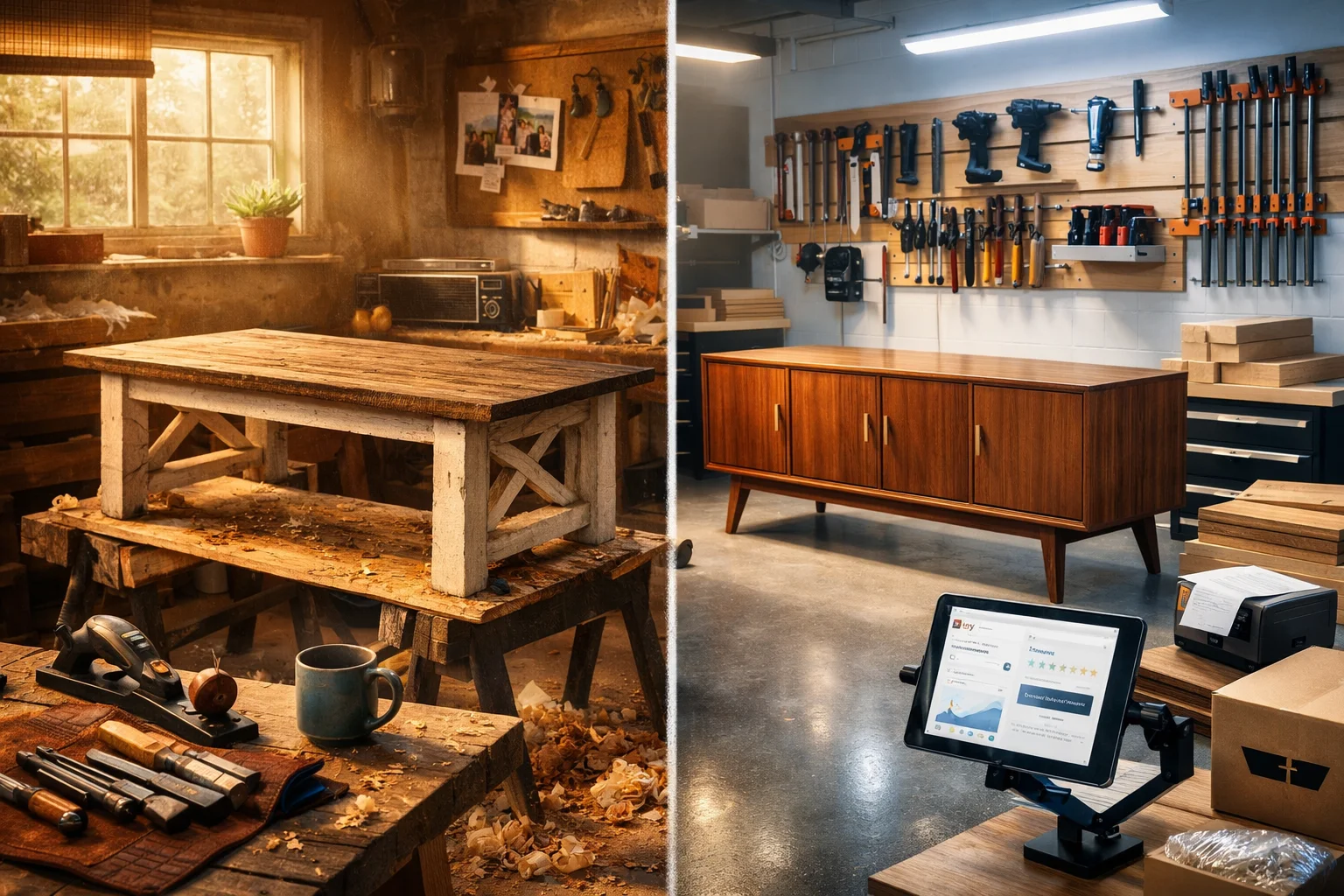
Have friends and family been praising your woodworking creations? Perhaps it’s time to turn those compliments into cash. Learning how to build furniture and sell it for profit transforms your passion into a viable income stream. Thousands of woodworkers have successfully made this transition. The furniture market continues growing as buyers seek unique, handcrafted pieces over mass-produced alternatives. With the right approach, you can join their ranks and monetize your skills. This guide walks you through every essential step to launch your profitable furniture business.
Before launching your furniture business, evaluate your current position honestly.
Quality matters immensely when selling furniture. Buyers expect pieces that look professional and function flawlessly. Examine your recent projects critically. Do joints fit tightly? Are finishes smooth and even? Does your work withstand daily use?
If your skills need improvement, invest time in practice. Build sample pieces to refine techniques. Take online courses or local workshops. Master fundamental skills before accepting paid commissions.
The furniture market is vast and competitive. Specializing helps you stand out and attract ideal customers.
Consider these popular niches:

Choose a niche that matches your skills and interests. Research what sells well in your area. Your passion for the niche will shine through in your work.
Research your local market thoroughly. Visit farmers markets, craft fairs, and furniture stores. What styles are popular? What price points sell best? Who are your potential competitors?
Talk to potential customers about their furniture needs. Join local home decor groups on social media. This research reveals opportunities and helps you position your business effectively.
Efficiency in your workshop directly impacts profitability when you build furniture and sell it for profit.
You don’t need every tool immediately. Start with quality basics and expand gradually.
Must-have tools include:
Buy professional-grade tools that withstand heavy use. Cheap tools break frequently and produce inconsistent results. Quality equipment pays for itself through reliability and precision.
Organize your workshop to minimize wasted movement. Group similar tools together. Store frequently used items within easy reach. Dedicate specific areas for cutting, assembly, and finishing.
Batch similar tasks together. Cut all pieces for multiple projects at once. Apply finish to several items simultaneously. This approach saves significant time and increases productivity.
Finding affordable, quality materials protects your profit margins. Build relationships with local lumber suppliers. Ask about bulk discounts or offcut deals.
Consider these sourcing strategies:
Store materials properly to prevent warping and damage. Keep wood elevated off floors. Maintain consistent humidity levels. Proper storage saves money by reducing material waste.
Correct pricing ensures sustainability when you build furniture and sell it for profit.
Many beginners underprice their work by ignoring hidden costs. Track every expense carefully.
Include these factors in pricing:
Add your desired hourly wage for the time invested. Don’t shortchange yourself. Your expertise and effort have real value.
Study what similar furniture sells for in your market. Check online marketplaces, local shops, and craft fairs. Note price ranges for different quality levels and sizes.
Position yourself appropriately within the market. Premium craftsmanship justifies higher prices. Unique designs command better margins than common styles.
Your pricing must cover all costs and provide profit. Aim for at least 50% profit margin on materials. Factor in 20-30% overhead for business expenses.
For example, if materials cost $100, charge at least $150 for materials alone. Add your labor at your desired hourly rate. Include overhead percentage. This formula ensures sustainable pricing.
Don’t compete on price alone. Emphasize quality, customization, and craftsmanship instead. Customers willing to pay fair prices become your best long-term clients.
Great furniture doesn’t sell itself. Strategic marketing attracts customers and builds your reputation.
Most customers research online before buying. Your digital presence must impress potential buyers.
Start with these platforms:
Post high-quality photos showing details and scale. Share behind-the-scenes content of your process. Engage with followers through comments and messages. Consistency builds trust and recognition.
Local customers often prefer buying furniture in person. They can see quality firsthand and avoid shipping hassles.
Try these local strategies:
Word-of-mouth referrals from satisfied customers drive significant business. Deliver excellent service to encourage recommendations.
Quality photos dramatically impact sales. Invest time learning basic photography or hire a professional occasionally.
Good furniture photos include:
Edit photos for consistency but keep them realistic. Misleading images damage trust and increase returns.
Excellent customer service builds repeat business and referrals.
Communicate timelines, pricing, and policies upfront. Provide written quotes detailing specifications and costs. Discuss delivery or pickup arrangements clearly.
Create standard contracts for custom orders. Include deposit requirements, payment schedules, and cancellation policies. Written agreements protect both parties.
Update customers regularly during production. Share progress photos when possible. Respond promptly to questions and concerns.
Clear communication prevents misunderstandings. It also builds excitement as customers see their piece taking shape.
Not every customer will be satisfied. Address concerns calmly and professionally. Offer reasonable solutions to legitimate problems.
Request reviews from happy customers. Positive testimonials attract new business. Display reviews prominently on your website and social media.
As demand grows, consider these expansion strategies.
Develop signature pieces you can build efficiently. Create templates and jigs for repeated cuts. Stock common sizes of pre-cut components.
Standardization doesn’t mean boring. Offer customization options within your efficient framework. This balance maximizes both productivity and customer satisfaction.
Growth may require additional hands. Start with part-time help for sanding or finishing. Gradually train assistants in more complex tasks.
Hiring allows you to focus on design, sales, and skilled work. Your business can serve more customers without sacrificing quality.
Relying solely on furniture sales can be unpredictable. Consider complementary income sources like selling woodworking plans, teaching classes, or creating YouTube content about your process.
Multiple revenue streams provide stability during slow sales periods. They also expand your audience and brand recognition.
Q: How much money do I need to start a furniture selling business?
A: You can start with $500-$2,000 for basic tools and initial materials. Many successful woodworkers begin part-time using existing equipment. Reinvest early profits into better tools and marketing. Scale gradually as your business grows and customer base expands.
Q: What type of furniture sells best for beginners?
A: Small accent pieces like coffee tables, side tables, and shelves sell well for beginners. They require less material investment and shorter production times. These pieces also ship more easily than large furniture. Build a portfolio with smaller items before tackling complex commissions.
Q: Do I need a business license to build furniture and sell it for profit?
A: Most locations require business licenses for selling furniture regularly. Requirements vary by city and state. Check with your local government offices about permits, tax obligations, and zoning regulations. Operating legally protects you from fines and establishes credibility with customers.
Learning to build furniture and sell it for profit requires dedication, planning, and consistent effort. Start small with achievable projects. Focus on quality over quantity. Build your skills, reputation, and customer base gradually.
The journey from hobbyist to professional woodworker is incredibly rewarding. You’ll create beautiful pieces while earning income doing what you love. Success comes to those who combine craftsmanship with smart business practices.
We’re here to help! Whether you need guidance on choosing the right plans or have questions about our recommendations, our team is ready to assist. Reach out anytime—your success is our priority.