Best Way to Sand Furniture Before Painting




Digitriserkamal
22 April 2026
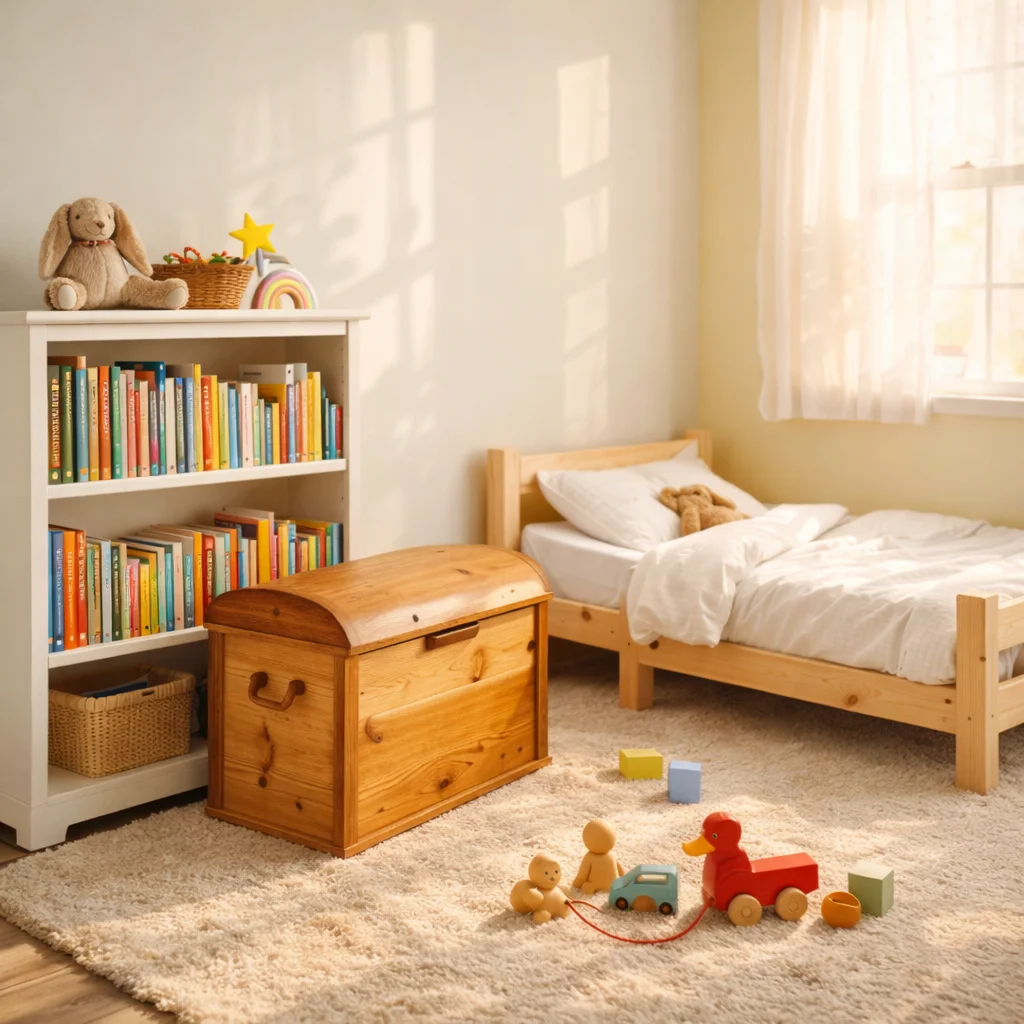
There’s something special about a child’s bedroom that you built with your own hands.
Not just the furniture itself — the bookshelf stacked with their favourite stories, the bed they’ll sleep in for years, the toy box they’ll rummage through every single morning. It’s the fact that you made it. For them.
Building kids’ bedroom furniture yourself gives you something no furniture store can offer: complete control over the size, the safety, the materials, and the design. And it costs a fraction of what the same pieces would cost at retail.
This guide covers the best kids’ bedroom furniture projects you can build yourself — and why a proper woodworking plan makes every one of them achievable.
Parents who build their children’s furniture aren’t just saving money — though they are doing that too.
They’re building something that fits the actual room, not a showroom floor. They’re choosing materials they know are safe. They’re creating pieces that can be adapted as the child grows.
Here’s what you gain when you build kids’ bedroom furniture yourself:
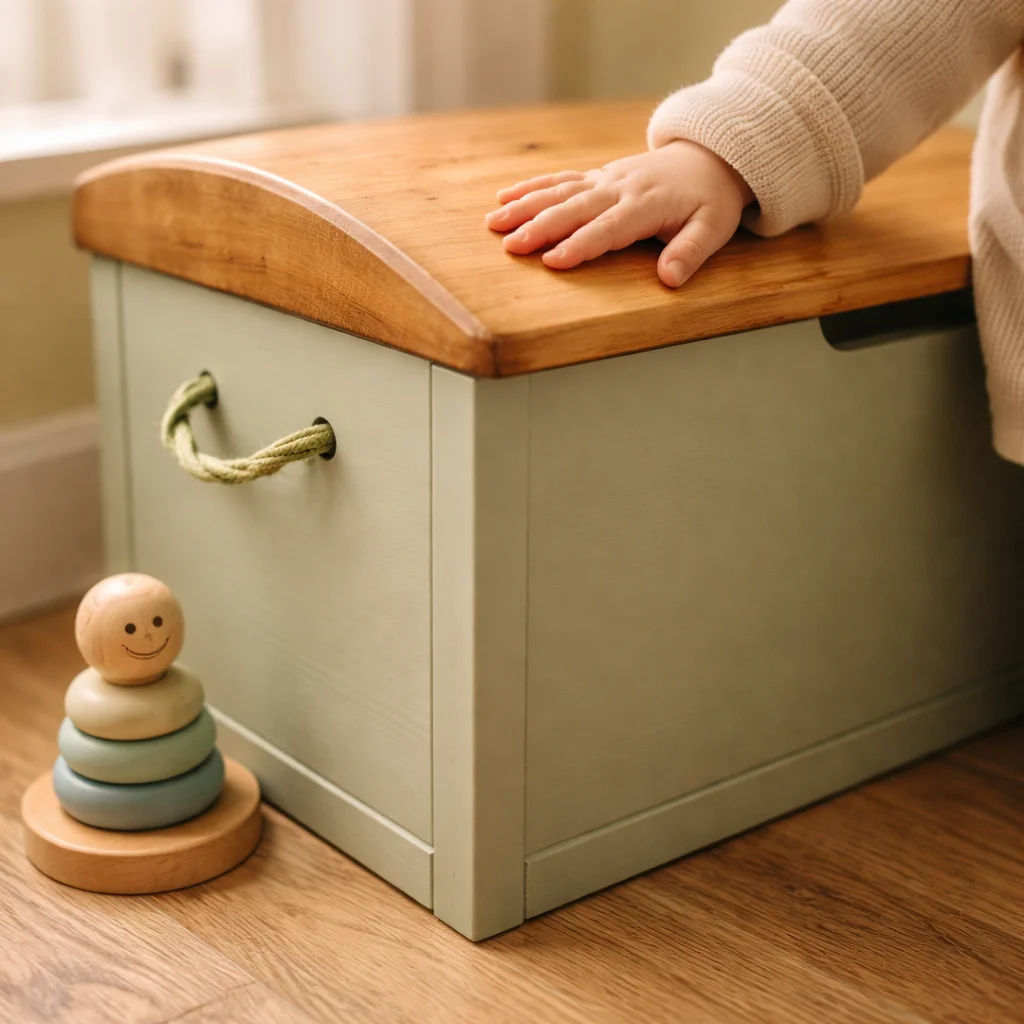
Most importantly, you build something your child grows up with. That has a value no price tag captures.
Every child’s room needs a bookcase. And a child-height bookcase — low enough for small hands to reach every shelf — is one of the most useful things you can build.
The design is simple: four sides (top, bottom, and two uprights), a back panel for rigidity, and two or three adjustable shelves. The entire build uses 18mm plywood or MDF and pocket screws.
Build it to the exact height that suits your child’s age. A toddler shelf sits at 60–70cm tall. A school-age child needs 90–100cm. Paint it in their favourite colour for a result that looks completely at home in the room.
Time: Half a day | Difficulty: Beginner | Cost: ~$40–$70
A toy box is the hardest-working piece of furniture in a child’s room. It takes daily abuse, needs to be completely safe, and has to be large enough to swallow an entire floor’s worth of toys in thirty seconds.
The build is a five-sided box — four panels and a base — with a hinged lid on top. The critical safety detail is the lid hinge: use a soft-close lid support on both sides. This prevents the lid from slamming shut on small fingers.
Use 18mm pine or birch plywood. Round all the external corners and edges generously — no sharp edges anywhere. Apply a tough, child-safe water-based paint finish.
A toy box with wheels (add four castors to the base) becomes even more useful — it can be pushed into a corner or pulled out for play.
Time: Half a day | Difficulty: Beginner | Cost: ~$50–$80
A toddler bed is one of the most meaningful pieces of kids’ bedroom furniture you can build yourself. Your child will sleep in it every night. They’ll have memories of it for life.
The design is a simple rectangular frame — two side rails, a headboard panel, a footboard panel, and a slatted base. The frame sits low to the ground (20–25cm at mattress height) for safe, easy access for small children.
Use solid pine throughout. Round all exposed edges and corners to a minimum 6mm radius. Finish with a child-safe, water-based varnish or paint — white, pastel, or natural timber all look beautiful.
The mattress size drives the frame dimensions. A standard toddler mattress (140cm × 70cm) is the most common starting point.
Time: Full day | Difficulty: Intermediate beginner | Cost: ~$80–$130
As children get older, they need a dedicated space for homework and creative activities. A wall-mounted desk and shelf unit provides exactly that — without taking up unnecessary floor space.
The desk surface is a single wide timber board, wall-mounted on heavy-duty brackets at the correct height for the child. Above it, two or three floating shelves provide space for books, school supplies, and personal items.
Build the desk surface from 44mm thick pine or oak for a solid, wobble-free feel. Match the shelf material to the desk for a coordinated look.
The height of the desk matters enormously for a growing child. A wall-mounted desk is easy to reposition as they grow — a freestanding desk is not.
Time: Half a day | Difficulty: Beginner | Cost: ~$60–$100
A loft bed is the project that makes children genuinely excited. The sleeping platform sits high, with usable space underneath — a reading nook, a play area, a small desk, or extra storage.
This is the most ambitious project on this list. It requires careful structural planning, precise measurements, and a well-tested woodworking plan. The frame must be rock-solid — there is no margin for a wobbly joint in a raised sleeping platform.
Use 75mm × 50mm or larger structural timber for the main uprights and rails. Bolt the joints rather than screwing them — bolted connections are significantly stronger and more reliable for a bed that carries a child’s weight at height.
Check local safety guidelines for the maximum platform height and guardrail requirements for children’s beds in your region before building.
Time: Full weekend | Difficulty: Intermediate | Cost: ~$150–$250
Building furniture for children carries more responsibility than building for adults. Small people interact with furniture in ways adults don’t — climbing, hanging, bouncing, and pulling.
Before finishing any kids’ bedroom furniture project, check the following:
These aren’t optional extras. They’re the difference between furniture that’s safe and furniture that isn’t.
Every project in this guide is achievable for a beginner woodworker. But the difference between a safe, well-built piece and a risky, poorly proportioned one often comes down to the precision of the plan.
The DIGITRISER Woodworking Plans E-book includes complete, tested plans for all five kids’ bedroom furniture projects in this post. Each plan specifies:
You’re not just building furniture. You’re building furniture for your child. Use a plan you can trust.
[Download the DIGITRISER E-book and build your child’s dream bedroom furniture today →]
Kids’ bedroom furniture you can build yourself is more than a weekend project. It’s a lasting gift.
The toy box they’ll grow up rummaging through. The bed they’ll sleep in for years. The desk where they’ll do their first homework. Built by you, from solid wood, to fit their room and their life exactly.
Start with one project. Build it well. Watch their face when they see it.
That reaction is worth every hour at the workbench.
[Get your DIGITRISER kids’ furniture plans and start building something they’ll always remember →]
Is it safe to build kids’ bedroom furniture yourself?
Yes — when built correctly, DIY kids’ bedroom furniture is just as safe as retail alternatives. The key is using child-safe, non-toxic finishes, rounding all exposed edges, using soft-close hardware on lids, and wall-anchoring tall pieces. Always follow a well-tested woodworking plan that includes specific safety hardware specifications for children’s furniture.
What is the best wood for children’s bedroom furniture?
Pine is the most popular choice for kids’ bedroom furniture — it’s affordable, widely available, and easy to work with. It takes paint beautifully, which is ideal for colourful children’s room designs. Birch plywood is excellent for painted cabinet pieces. Avoid MDF for structural elements like bed frames — use solid timber for anything that needs to bear weight or withstand active use.
How much does it cost to build kids’ bedroom furniture yourself?
The cost varies by project. A children’s bookcase costs $40–$70 in materials. A toy box runs $50–$80. A toddler bed frame costs $80–$130. A loft bed frame is the most expensive at $150–$250. In every case, these costs are 50–70% lower than comparable retail prices — and the result is solid wood construction that outlasts flat-pack furniture by years.
We’re here to help! Whether you need guidance on choosing the right plans or have questions about our recommendations, our team is ready to assist. Reach out anytime—your success is our priority.