



Digitriser

Woodworking Bench Plans

Finding the right woodworking bench plans is essential for success. Quality plans provide detailed measurements, materials lists, and step-by-step instructions for all skill levels.

Choose from portable benches or heavy-duty stations. These blueprints transform raw lumber into your ideal workshop centerpiece while saving money.

Professional Results, Made Simple

Quality woodworking plans that save time, prevent mistakes, and deliver stunning results. Everything you need to build furniture you’ll be proud of

Woodworking Bench Plans 4
0 +
Satisfied Clients

Why Choosing the Right Woodworking Bench Plan Matters

Selecting the appropriate woodworking bench plan determines your project’s success. The ideal plan aligns with both your skill level and specific workspace requirements. Poor plan selection leads to wasted materials, unnecessary frustration, and an unstable workbench that undermines your craftsmanship.

Consider these essential checkpoints when evaluating plans:

Beginner woodworking bench plans feature simplified construction methods with fewer complex joints. This makes the build achievable while building your confidence. Easy workbench plans use straightforward techniques requiring only common tools you likely already own.

No expensive specialty equipment is necessary. Garage workbench plans maximize limited workspace through efficient design, providing ample work surface and smart storage solutions.

Different Types of Woodworking Bench Plans Explained

Different types of woodworking bench plans are available today. Understanding these options helps you make the right choice. You can select the perfect design for your workshop space and project requirements. Each style offers distinct advantages depending on your working environment, mobility needs, and the scale of projects you tackle.

Portable Workbench Designs

Ideal for limited space and flexible workspaces. Features lightweight construction with folding mechanisms for easy setup and storage. Particularly suitable for apartments, mobile work, and shared spaces. Includes built-in clamping systems and adjustable heights while maintaining stability.

Heavy Duty Workbench Plans

Built for serious woodworkers handling large projects and power tools. Features thick solid wood tops, reinforced legs, and substantial joinery that withstands vigorous use. Reduces vibration for precision work. Features tool wells, integrated vises, and dog holes for enhanced functionality.

Small Workbench Solutions

Engineered for compact workshops and tight corners. Maximizes functionality per square foot with vertical storage, fold-down extensions, and multi-level surfaces. Maintains sturdy construction despite reduced footprint while providing adequate work surface for general tasks.

Benefits of Using Professional Woodworking Bench Plans

Professional woodworking bench plans offer significant advantages over improvising your build. These expertly crafted blueprints provide accurate measurements down to the fraction of an inch. They eliminate guesswork and costly material waste completely.

Quality step-by-step plans guide you through the entire construction process. They cover everything from cutting your first board to applying the final finish. Clear instructions anticipate common challenges and offer solutions, enabling even average builders to tackle complex joinery successfully.

Most professional designs come as printable woodworking plans for your workshop. Mark up these prints and check off completed steps easily. Avoid digital devices that risk damage from sawdust and moisture in your workshop. This tangible format ensures your blueprint remains accessible exactly when and where needed.

0 +
Total Number of Plans
0 +
Total Projects Created
0 +
Satisfied Clients

What to Look for in a Quality Workbench Plan

Quality workbench plans feature several essential elements. A comprehensive cutting list provides every board dimension organized to minimize waste and streamline workflow, ensuring correct lumber purchases.

Clear dimensions for every component prevent costly mistakes. Look for plans specifying leg heights, top thickness, stretcher placement, and support spacing. A detailed materials list itemizes hardware, fasteners, glue, and finishing supplies with specific quantities.

Premium plans include 3D diagrams with exploded views and detail callouts that transform confusing steps into straightforward, achievable tasks.

Where to Find Reliable Woodworking Bench Plans Online

Finding trustworthy woodworking bench plans online requires knowing reliable sources. Reputable woodworking websites and specialized marketplaces offer professionally designed blueprints with verified user reviews. Established woodworking magazines provide downloadable plans created by master craftsmen.

Online communities and forums feature free plans from experienced builders, though quality varies. Look for detailed photos and positive feedback from multiple users. YouTube channels run by professional woodworkers often offer companion plans to video tutorials.

Premium subscription services provide extensive libraries with customer support. Always verify plans include complete materials lists, accurate dimensions, and clear diagrams before investing your time and money.

Basic Steps to Build a Woodworking Bench

Building a woodworking bench follows a logical progression that transforms raw lumber into a functional workspace. Understanding these fundamental steps helps you plan your project timeline and gather everything needed for success.

Gathering Tools Needed and Materials

Gathering Tools Needed and Materials

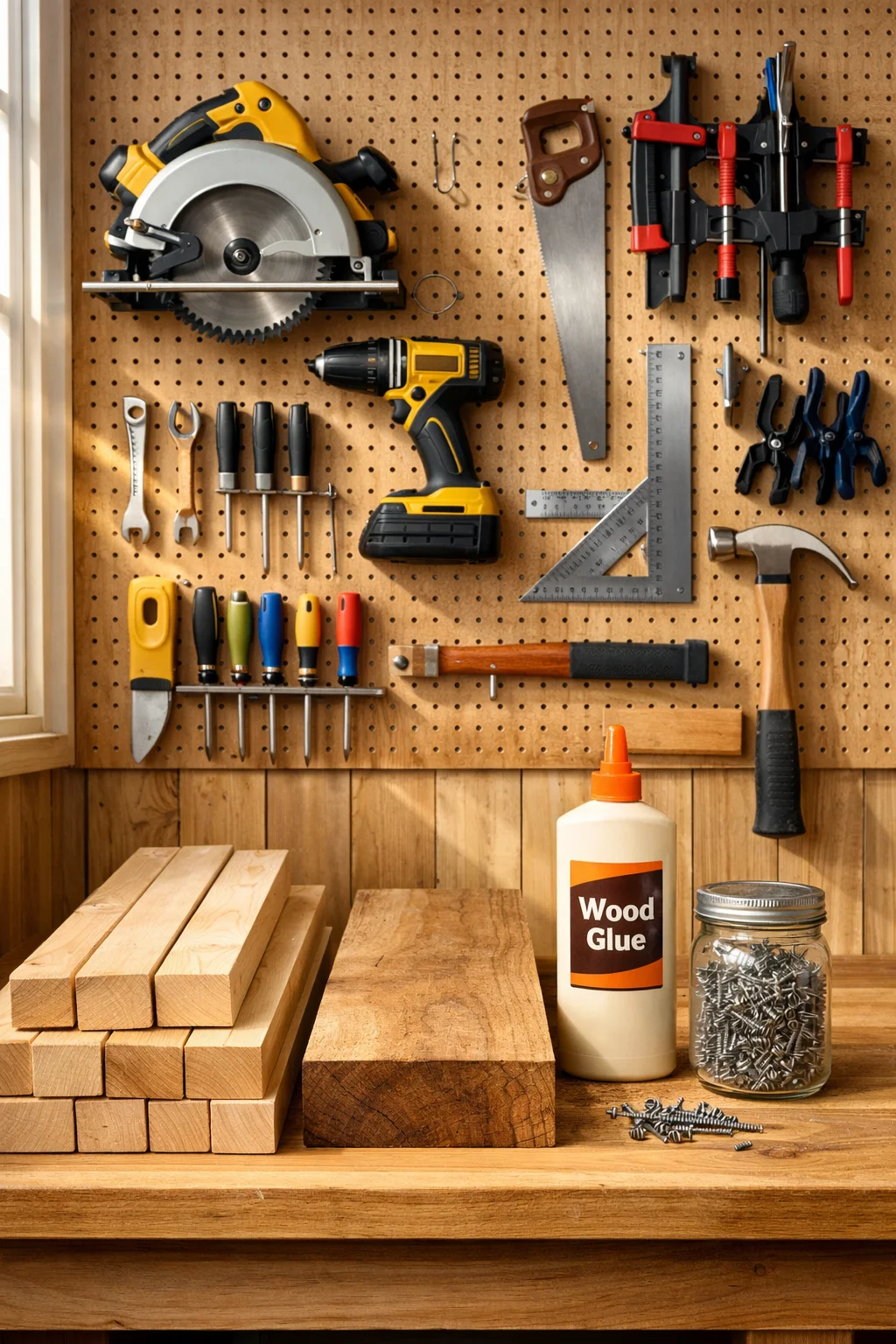
Assemble essential tools: saw, drill, measuring tape, square, clamps, and hand tools. Materials include dimensional lumber, hardwood or plywood top, glue, fasteners, and finishing supplies.
Taking Accurate Measurements

Taking Accurate Measurements

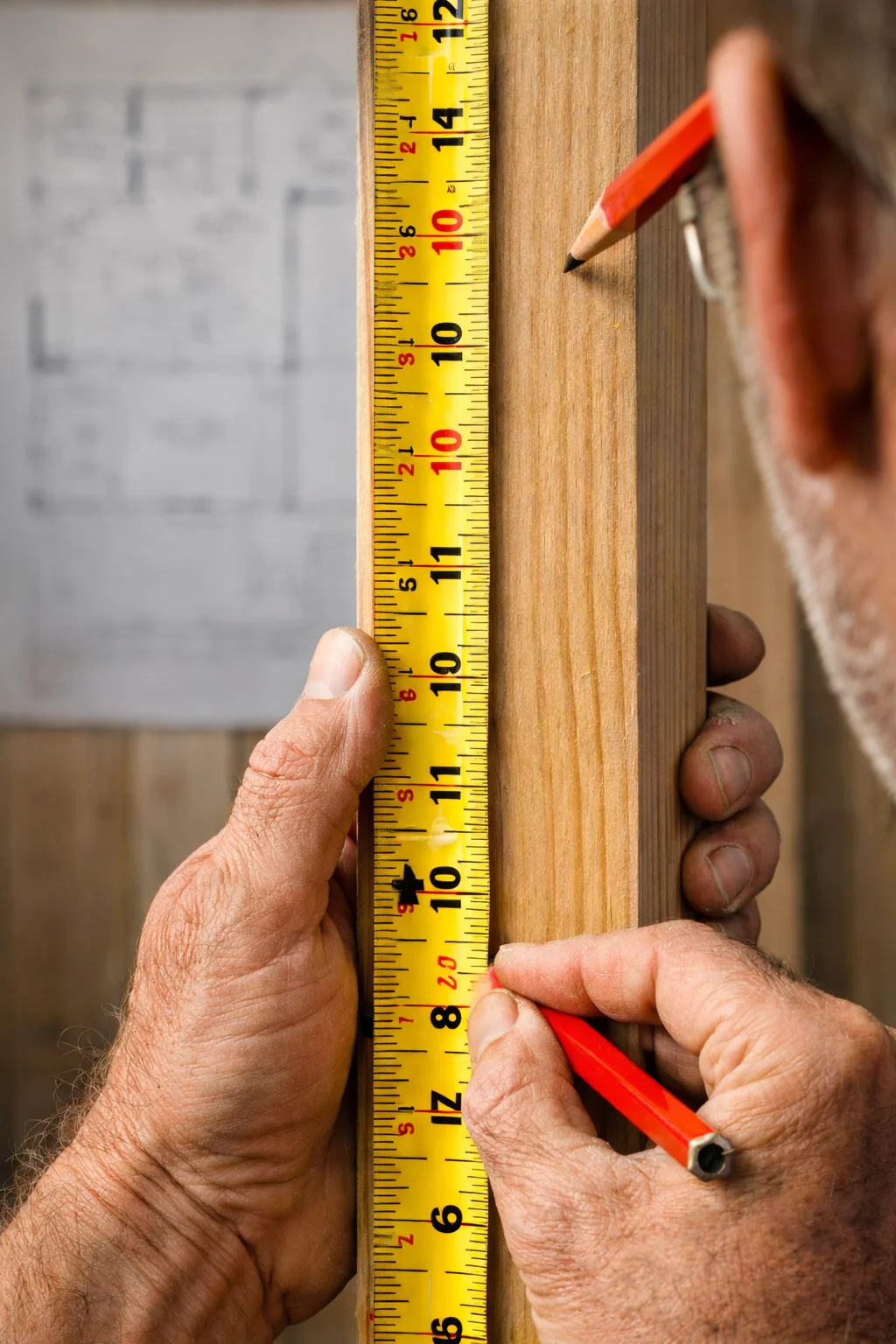
Measure your workspace to establish bench dimensions. Transfer measurements from plans to lumber, double-checking before cutting. Remember: measure twice, cut once.

Assembly Process

Assembly Process

Build the base frame with square corners and level legs. Attach stretchers for rigidity. Install the benchtop last. Apply glue at joints, reinforce with fasteners, and allow proper drying time.

FAQ

Woodworking Plans FAQ

Absolutely! Beginners can successfully build a workbench by choosing plans specifically designed for their skill level. Start with simple designs that use basic joinery methods. Pocket screws or bolted connections work perfectly. Avoid complex mortise-and-tenon joints at first.

Many beginner-friendly plans require only common tools and straightforward construction techniques. Building your first workbench is an excellent learning project. It teaches fundamental woodworking skills as you build. You'll create an essential tool for all your future projects.