Digitriser

Complete Plans for a Classic Adirondack Chair

Woodworking Plans
Complete Plans for a Classic Adirondack Chair

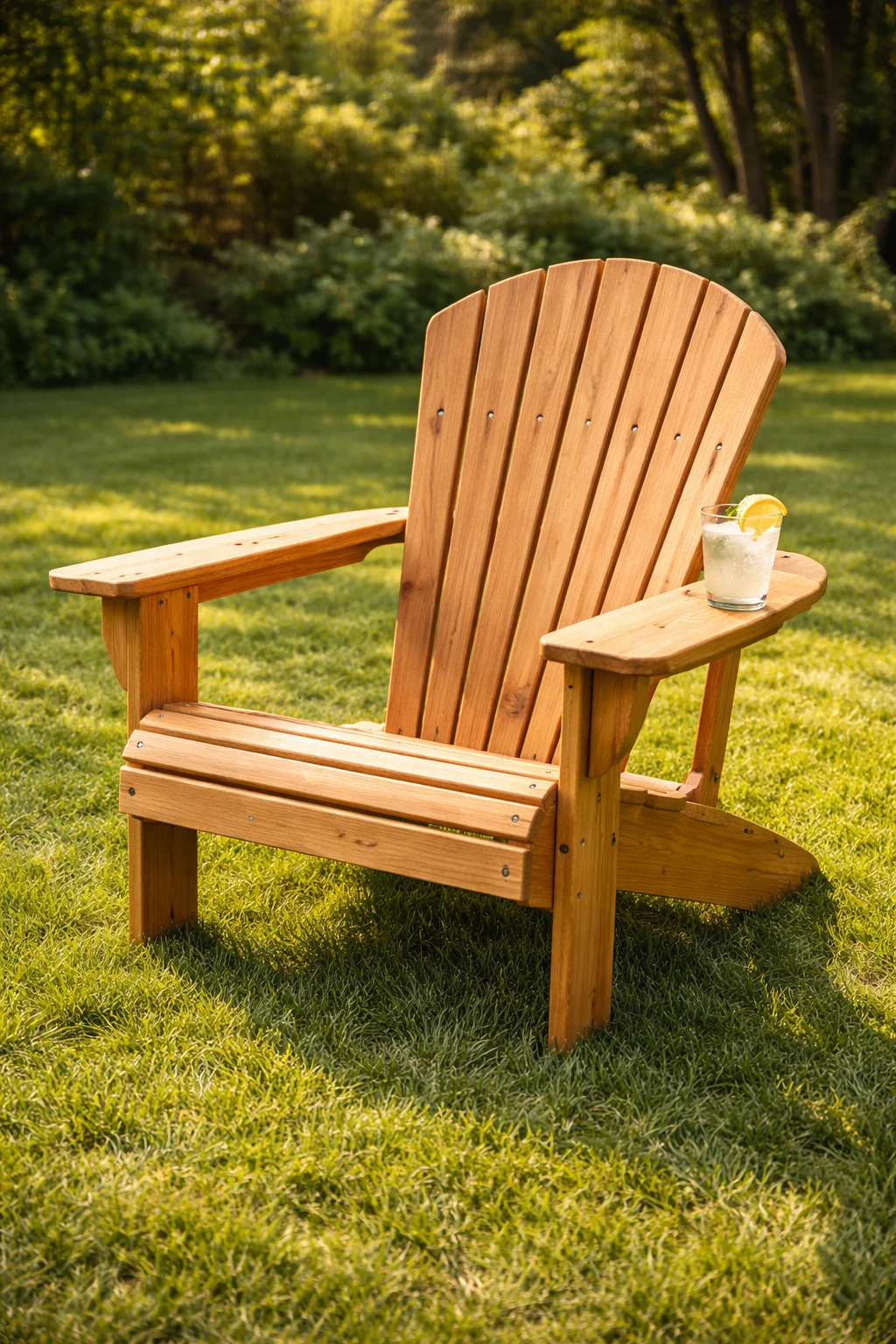
Few pieces of outdoor furniture are as iconic as the Adirondack chair. Its wide armrests, reclined seat, and fan-shaped back make it instantly recognizable — and incredibly comfortable. If you’ve been looking for complete plans for a classic Adirondack chair, your search ends here. This guide gives you everything you need: exact measurements, a full cut list, step-by-step assembly instructions, and finishing tips. Whether you’re a beginner or an experienced woodworker, you can build this timeless chair in a single weekend.

Why Build an Adirondack Chair From Scratch?

Store-bought Adirondack chairs are widely available, but they rarely match the quality of a handmade one. Building your own gives you full control over every detail.

Here’s why it’s worth doing yourself:
Complete Plans for a Classic Adirondack Chair: What You’ll Need

Tools Required

You don’t need a fully equipped shop. Here are the basic tools:

  • Jigsaw (essential for curved cuts)
  • Circular saw or miter saw
  • Cordless drill and bits
  • Sander (random orbital preferred)
  • Tape measure and pencil
  • Carpenter’s square
  • Clamps (at least four)
  • Safety glasses and ear protection

Materials and Cut List

For one standard Adirondack chair, purchase the following lumber. Cedar is the top choice — it resists rot naturally and takes paint or stain beautifully.

Lumber needed (all from 1×6 cedar boards unless noted):

  • Back legs: 2 pieces — 35 inches long (cut from 2×4)
  • Front legs: 2 pieces — 21 inches long (cut from 2×4)
  • Seat boards: 5 pieces — 21 inches long
  • Back slats: 7 pieces — 36 inches long (varying widths: 3 center slats at 3.5 inches, outer slats narrower)
  • Armrests: 2 pieces — 28 inches long, 5.5 inches wide
  • Front apron: 1 piece — 21 inches long, 3.5 inches wide
  • Back support brace: 1 piece — 21 inches long, 3.5 inches wide
  • Cross brace: 1 piece — 17 inches long, 3.5 inches wide

Hardware:

  • 1.5-inch and 2.5-inch exterior screws (stainless steel recommended)
  • Exterior wood glue
  • 120 and 220-grit sandpaper
  • Exterior primer and paint, or UV-resistant wood stain

Pro tip: Buy 20% more lumber than your cut list requires. This gives you room for mistakes and allows you to select the best grain for visible parts like armrests and back slats.

Step-by-Step Assembly Instructions

Step 1: Cut All Your Pieces

Start by cutting every piece to length before assembly begins. Work from your cut list methodically.

  • Mark each piece clearly with a pencil and label.
  • Use a jigsaw to cut the curved profiles on the back legs, armrests, and seat boards.
  • The back legs have a signature angled cut at the bottom — typically 20 to 22 degrees — that gives the chair its relaxed recline.
  • Sand all pieces to 120-grit before assembly. It’s much easier now than after the chair is built.

Take your time with the curved cuts. These shapes define the classic Adirondack silhouette.

Step 2: Build the Seat Frame

The seat frame is the structural core of the chair. It connects the front and back legs and supports the seat boards.

  1. Attach the front apron board between the two front legs using 2.5-inch screws and exterior glue.
  2. Connect the back legs to the rear of the seat frame at the correct angle (approximately 5 degrees of recline).
  3. Add the cross brace between the back legs for lateral stability.
  4. Check that the frame sits flat on the ground without rocking. Adjust if needed.

A solid seat frame ensures the finished chair is stable and safe.

Step 3: Install the Seat Boards

With the frame complete, lay the seat boards across the top. Space them evenly with a consistent gap — about ¼ inch between each board allows water to drain freely.

  • Fasten each board with two screws per leg connection point.
  • Pre-drill all holes to prevent splitting. This step is not optional with cedar.
  • Countersink the screws slightly so the heads sit just below the wood surface.
  • Start from the front and work toward the back for consistent spacing.

The slight gap between boards is both functional and gives the chair its classic look.

Step 4: Assemble the Back

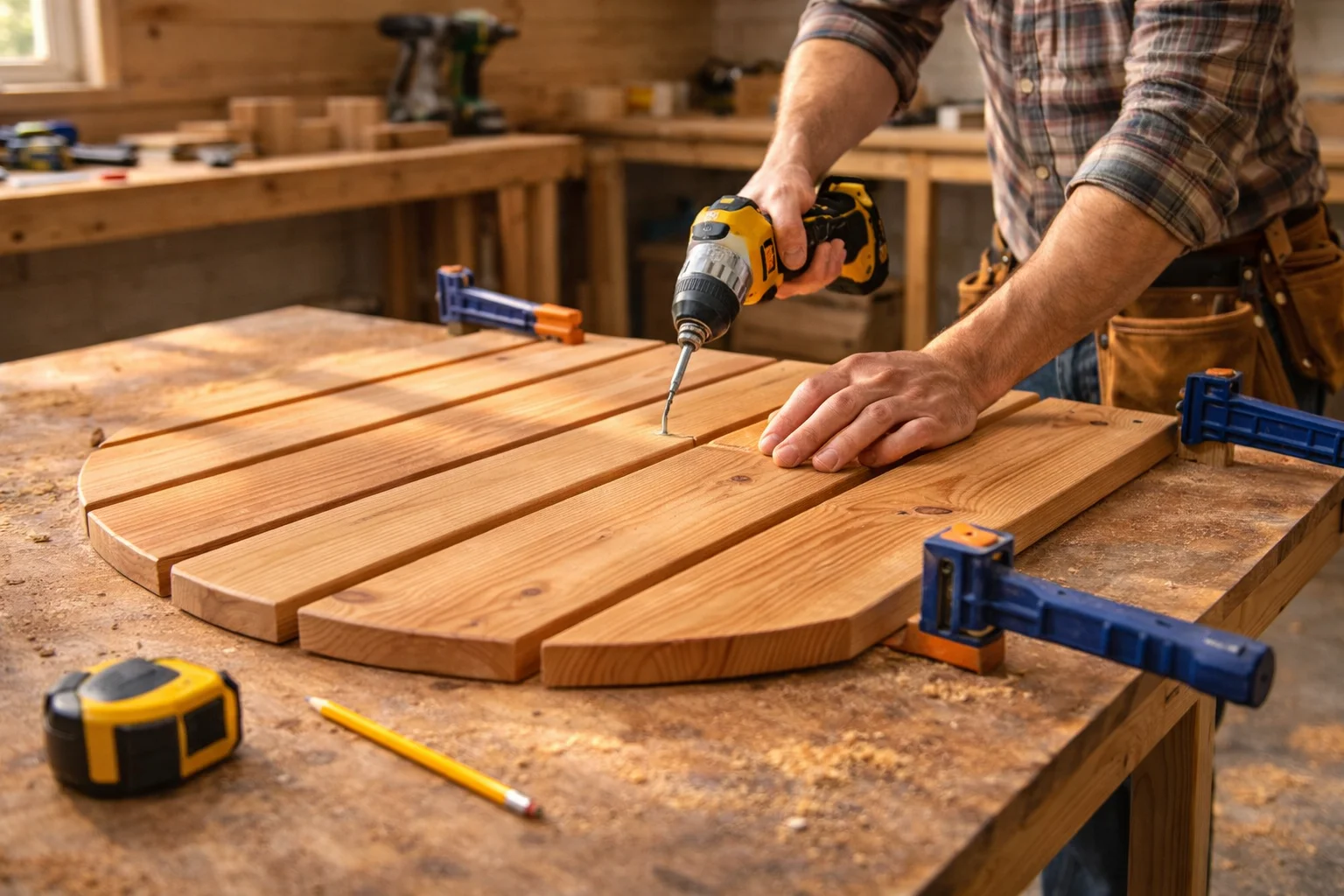
The fan-shaped back is what makes a classic Adirondack chair so recognizable. Assemble it as a separate unit before attaching it to the seat frame.

  1. Lay the back slats face-down on a flat surface.
  2. Position the back support brace horizontally across the slats, about 6 inches from the bottom.
  3. Space the slats evenly — the center slat is widest, and slats narrow slightly toward the outside.
  4. Fasten each slat to the brace with two screws.
  5. Add a second brace near the top for added rigidity.

The back should form a gentle fan shape when you hold it up. Trim the tops of the slats with a jigsaw to create a smooth curved profile if desired.

Step 5: Attach the Back to the Seat Frame

Stand the back panel upright and position it against the rear of the seat frame. The angle of recline is typically 100 to 105 degrees from the seat — this is what makes Adirondack chairs so comfortable to sit in for long periods.

  • Clamp the back in position before driving any screws.
  • Fasten through the back legs into the back support brace.
  • Use at least three screws per side for a strong, lasting connection.

Step back and check the visual angle. Adjust before the screws are fully driven if needed.

Step 6: Install the Armrests

The armrests are one of the most visible and functional parts of the chair. Take extra care with placement and finish.

  • The front of each armrest rests on top of the front leg. Fasten with two screws from below.
  • The back of the armrest sits on a small support block attached to the back leg. Cut this block from scrap lumber.
  • The armrest should be level or slope very slightly downward toward the front.
  • Sand the armrests to 220-grit for a smooth, comfortable surface.

Wide, flat armrests are a hallmark of the classic Adirondack design. They’re perfect for holding a drink or a book.

Step 7: Final Sanding and Finishing

Your chair is built. Now protect it and make it beautiful.

  • Do a complete final sand with 220-grit over all surfaces.
  • Wipe away all dust with a tack cloth.
  • Apply a coat of exterior primer if you plan to paint.
  • Follow with two coats of exterior paint in your chosen color. White, green, and red are classic Adirondack colors.
  • Alternatively, apply two coats of UV-resistant teak oil or exterior stain for a natural wood finish.


Finishing options at a glance:

  • Exterior paint: Maximum color options, great protection
  • Solid stain: Opaque color with a more natural texture
  • Semi-transparent stain: Shows wood grain, moderate protection
  • Teak oil or Danish oil: Natural look, requires reapplication every 1–2 years

Tips for Long-Lasting Outdoor Furniture

A well-built Adirondack chair can last 15 to 25 years with basic maintenance.

Follow these simple care tips:

  • Store or cover the chair during winter months.
  • Reapply finish every one to two years depending on sun and rain exposure.
  • Check and tighten screws at the start of each outdoor season.
  • Sand and refinish any areas where the finish begins to peel or crack.

Cedar and teak naturally resist insects and rot. Pine requires more diligent finishing to achieve the same lifespan.

FAQ

What is the best wood for a classic Adirondack chair?

Cedar is the top choice for most builders. It resists rot, stays lightweight, and accepts paint or stain well. Teak is more durable but significantly more expensive. Pine works well if properly sealed and maintained. Avoid untreated softwoods for outdoor furniture.

How long does it take to build an Adirondack chair from scratch?

Most beginners complete their first chair in 6 to 10 hours of active work. With a complete cut list and all materials ready, a full build fits comfortably into one weekend. Experienced builders often finish in 4 to 5 hours.

Can I adjust the dimensions in these plans to make a larger or wider chair?

Yes. The classic Adirondack design scales well. Add 2 to 4 inches to the seat width and armrest length for a more generous fit. Keep the seat-to-back angle between 100 and 105 degrees — this is the key to the chair’s signature comfort, regardless of overall size.

Conclusion

With the right materials, a few basic tools, and these complete plans for a classic Adirondack chair, you can build a piece of outdoor furniture that will last for decades. It’s a satisfying project from the first cut to the final coat of paint. The result is a chair that’s uniquely yours — built by your hands, tailored to your style, and ready for years of relaxation.

Grab your lumber list and get started this weekend. Share your finished chair in the comments — we’d love to see your build!

Tags :
Classic Adirondack Chair,Woodworking Plans
Share This :

Have Any Question?

We’re here to help! Whether you need guidance on choosing the right plans or have questions about our recommendations, our team is ready to assist. Reach out anytime—your success is our priority.