



Discover comprehensive bookcase woodworking plans designed for every skill level. These detailed blueprints include precise measurements, cut lists, and clear instructions. They help you build custom storage solutions with confidence.
Quality plans ensure professional results for any project. Save money on both simple shelves and elaborate built-in units with the right woodworking plans.
Quality woodworking plans that save time, prevent mistakes, and deliver stunning results. Everything you need to build furniture you’ll be proud of
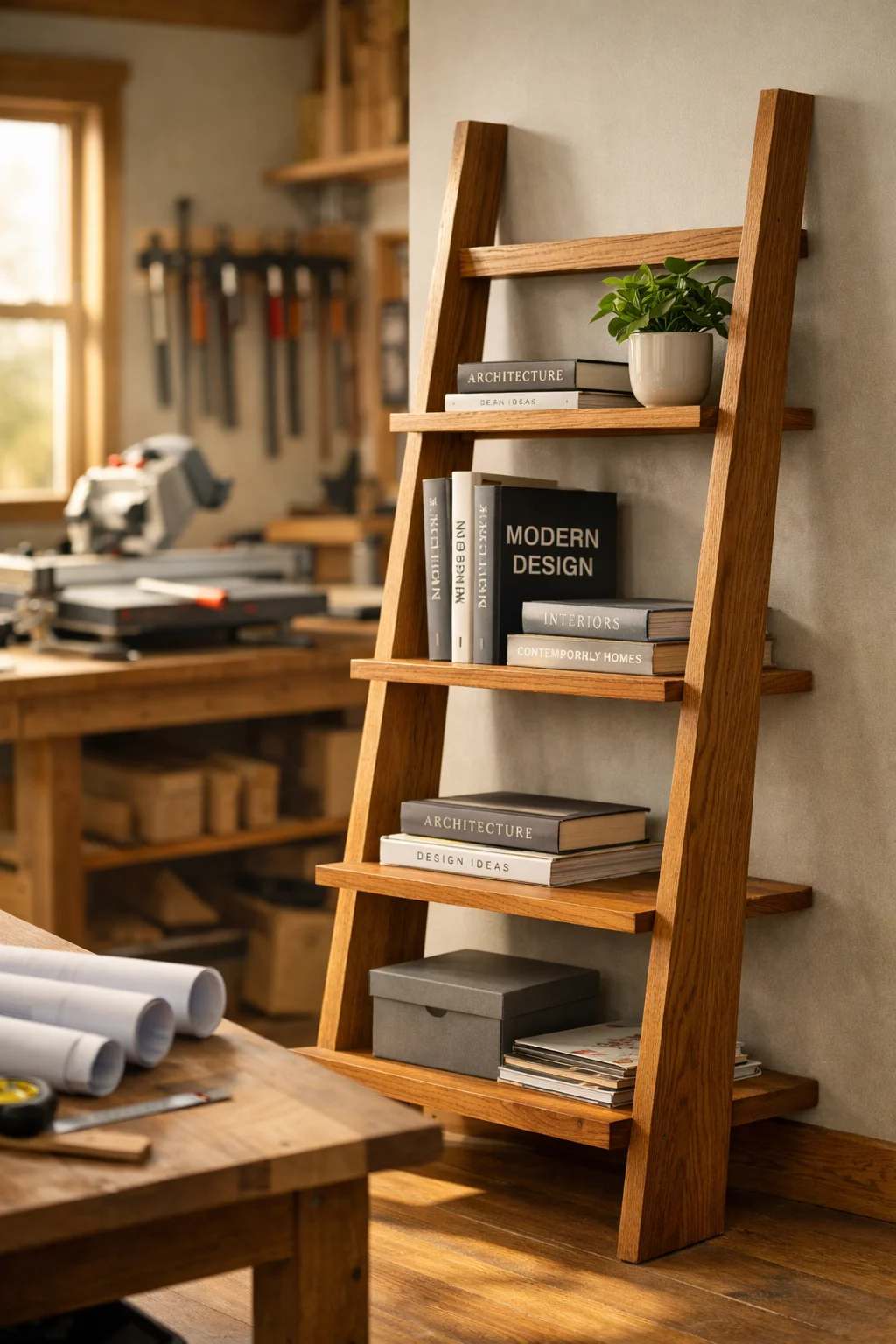
Using diy bookcase plans eliminates guesswork and prevents costly mistakes during construction. Detailed wooden bookshelf plans provide accurate measurements, optimized cutting diagrams, and material lists that minimize waste. Professional blueprints help you avoid measuring errors. They reduce expensive wood scraps and speed up project completion.
These plans include efficient layouts that maximize lumber usage while ensuring structural integrity. Smart builders rely on proven designs to streamline their workflow. You’ll reduce trial-and-error and achieve professional results. No more wasting valuable materials or hours reworking incorrect cuts.
Explore versatile bookshelf design wood options that match any interior aesthetic. Modern bookcase plans feature clean lines, minimalist hardware, and contemporary finishes perfect for urban spaces. For compact areas, small bookcase diy projects offer space-saving solutions without sacrificing style or functionality.
Choose from classic ladder designs, floating shelves, traditional built-ins, or rustic farmhouse styles. Each design adapts to your skill level and available tools. You can create custom storage that complements your home décor. These projects showcase your craftsmanship beautifully.
Selecting the right materials ensures longevity when constructing bookcases. A plywood bookcase offers low cost and stability, ideal for painted finishes and beginner projects. For heirloom-quality pieces, hardwood bookshelf options like oak, maple, or cherry provide superior strength and beautiful natural grain.
Your essential woodworking tools list should include a table saw, drill, square, clamps, and sander. Quality materials combined with proper tools guarantee sturdy construction. Your bookcase will support heavy book loads and maintain structural integrity for years of reliable use.
Premium woodworking plans deliver comprehensive instructions, detailed diagrams, and material optimization that free sketches often lack. Investing in downloadable bookcase plans provides professional-grade blueprints. You get exact measurements, cutting lists, and assembly sequences. These eliminate confusion during construction.
A quality step by step woodworking ebook includes troubleshooting tips, finishing techniques, and multiple view angles for complex joints. Free plans may seem economical at first.
However, premium versions save money by preventing errors and reducing material waste. They ensure successful project completion. Serious builders recognize that detailed plans pay for themselves through efficiency and superior results.
Wood requirements depend on bookcase dimensions and design complexity. A standard 6-foot tall bookcase typically needs 2-3 sheets of 3/4-inch plywood or approximately 30-40 board feet of hardwood.
Quality plans include detailed cut lists and material estimates that account for waste. Include an additional 10-15% for mistakes and offcuts. Measure your space carefully before buying lumber.
Review the specific plan's materials list thoroughly. This helps you avoid shortages or excess waste.
Many bookcase plans cater specifically to beginners with simple joinery and basic cuts. Look for designs labeled "beginner" or "easy" that use pocket screws, butt joints, or basic dado cuts instead of complex mortise-and-tenon joints. Step-by-step instructions with clear diagrams make learning manageable.
Begin with smaller projects such as a 3-shelf bookcase. This helps you build confidence and skills. Later, you can attempt elaborate built-ins or intricate designs.
You'll need several essential tools for bookshelf construction. These include a circular saw or table saw for cutting lumber. Additional essential tools include an electric drill with bits, a tape measure, and a carpenter's square. Clamps and sandpaper or an orbital sander are also necessary for proper assembly and finishing.
A miter saw helps with trim work, while a router adds decorative edges. Basic projects require minimal equipment, but investing in quality measuring and cutting tools ensures accuracy. Most beginner-friendly plans specify required tools upfront, allowing you to prepare or rent specialized equipment before starting construction.