Finding reliable nightstand woodworking plans can feel frustrating when you’re just starting as a beginner. Most tutorials skip the steps that matter most.
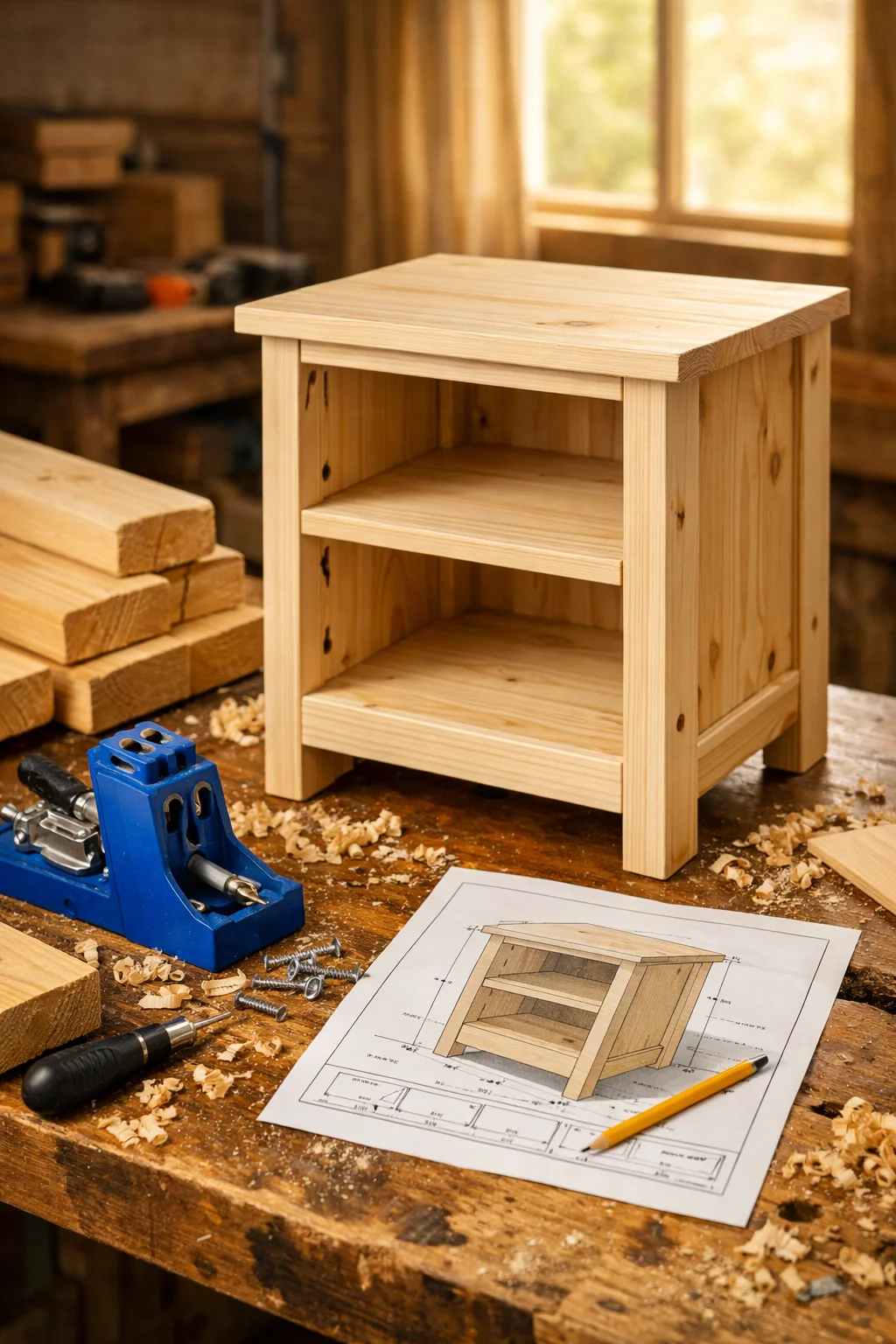
However, beginner-friendly bedside table plans built around pocket hole joinery change everything. They use basic pine lumber, a clear cut list, and no advanced tools. As a result, you can complete your first simple DIY nightstand build in a single weekend.
Why Nightstand Woodworking Plans Are the Perfect First Furniture Project
Nightstand woodworking plans stand out as the ideal entry point into furniture building. They teach you measuring, cutting, joinery, and finishing — all in one compact project.
Furthermore, you end up with something genuinely useful beside your bed. That balance of practical learning and real reward is hard to match. No wonder it remains the top recommended first woodworking furniture project for beginners.
No advanced tools needed
Builds real woodworking skills
Fits any bedroom style
Completable in one weekend
Budget-friendly lumber options
Functional result every time
What Makes a Good Nightstand Plan (And What to Avoid)
Not every nightstand plan is worth your time. A good nightstand woodworking plan includes clear measurements and a complete cut list. It also needs honest step-by-step instructions that match your actual skill level.
Without these, you waste wood and lose confidence fast. Avoid vague joinery notes or missing dimensions. Instead, go for bedside table plans that actually show you what goes where — diagrams, materials list, and all.
0+
Total Number of Plans
0+
Total Projects Created
0+
Satisfied Clients
Best Nightstand Woodworking Plans You Can Build Today (All Styles)
Your bedroom style matters when choosing DIY nightstand plans. Whether you lean rustic, modern, or minimalist, the right plan exists for your skill level. These woodworking furniture plans cover every aesthetic — from floating wall-mounted designs to classic drawer builds.
Each bedside table DIY project below includes clear dimensions and a cut list. So pick your style, grab your tools, and build something you’ll love waking up next to.
Rustic Nightstand Plans with Drawer and Shelf Storage
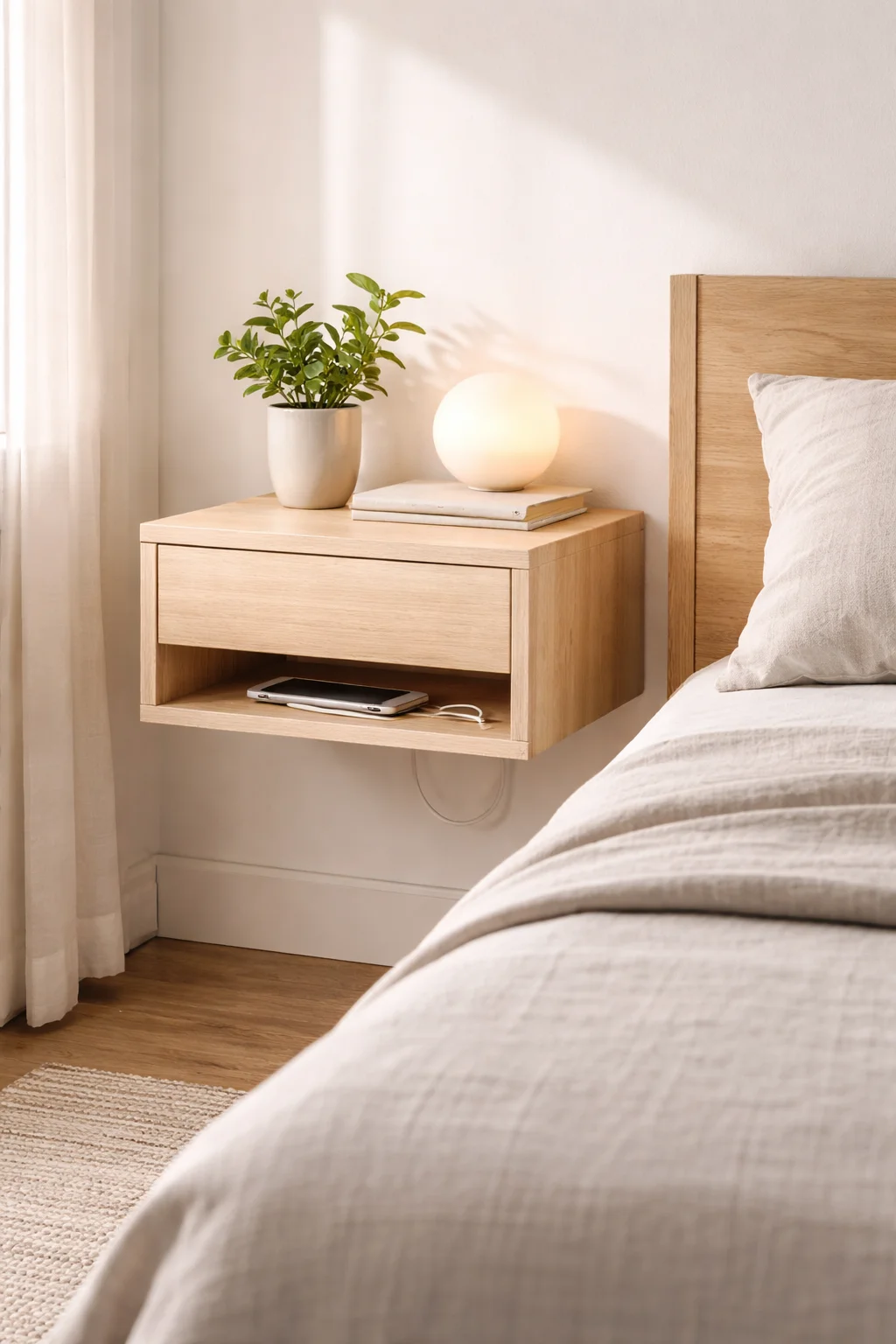
Modern Floating Nightstand Plans for Small Bedrooms
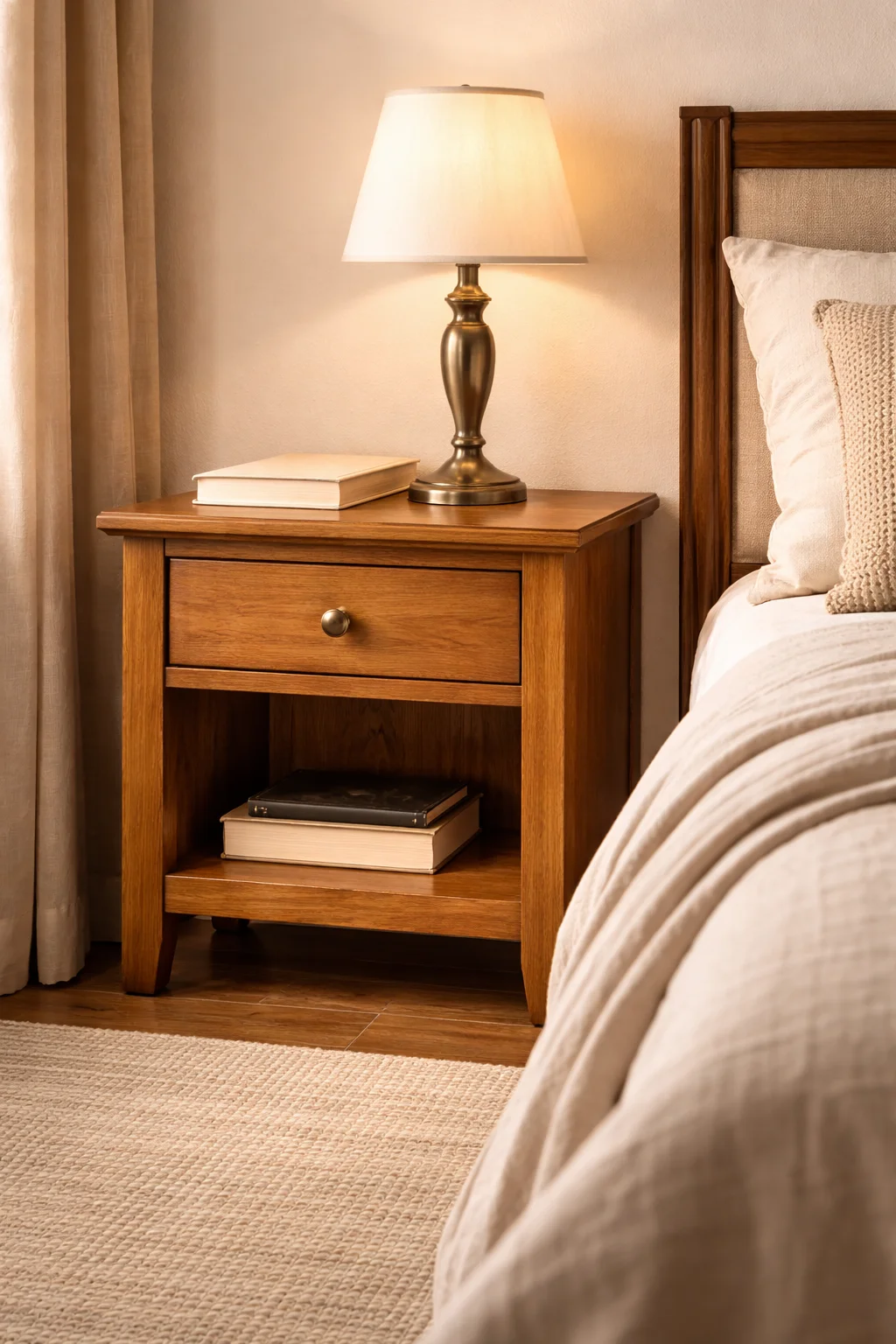
Classic One-Drawer Nightstand Plans That Always Work
Tools and Materials You’ll Need Before Starting Your Nightstand
Before you cut a single board, knowing your woodworking tools and materials upfront saves both time and money. For a nightstand build, your core essentials come down to a drill, a pocket hole jig, a circular saw, and a sander.
Your materials list typically includes pine or plywood — both are affordable, beginner-friendly wood types. Moreover, having everything ready before day one means fewer hardware store trips and more time actually building.
Common Mistakes Beginners Make When Building a Nightstand
Most woodworking mistakes on a nightstand build come down to the same three beginner errors. The most common is skipping the dry fit before gluing. Then comes rushing through measurements, which causes alignment issues with drawer openings and leg heights.
Finally, beginners often ignore wood movement, and the piece warps within months. The good news is that all three are easy to dodge — take your time and trust your plan.
Where to Find Complete Nightstand Woodworking Plans Without Guesswork
Not all nightstand plans deliver the same results — and guesswork ruins most beginner builds. Complete nightstand woodworking plans include a cut list, 3D diagrams, and a full hardware list. They also walk you through every step, from the first board to the finish coat.
Moreover, premium woodworking plans come as an instant download. One printable PDF, ready at your workbench before you make a single cut.
FAQ
Common Questions About nightstand woodworking plans Answered
Yes — a nightstand is one of the best first furniture projects. Compact and beginner-friendly, a nightstand teaches every core woodworking skill in a single build.