Best Way to Sand Furniture Before Painting




Digitriserkamal
26 July 2026
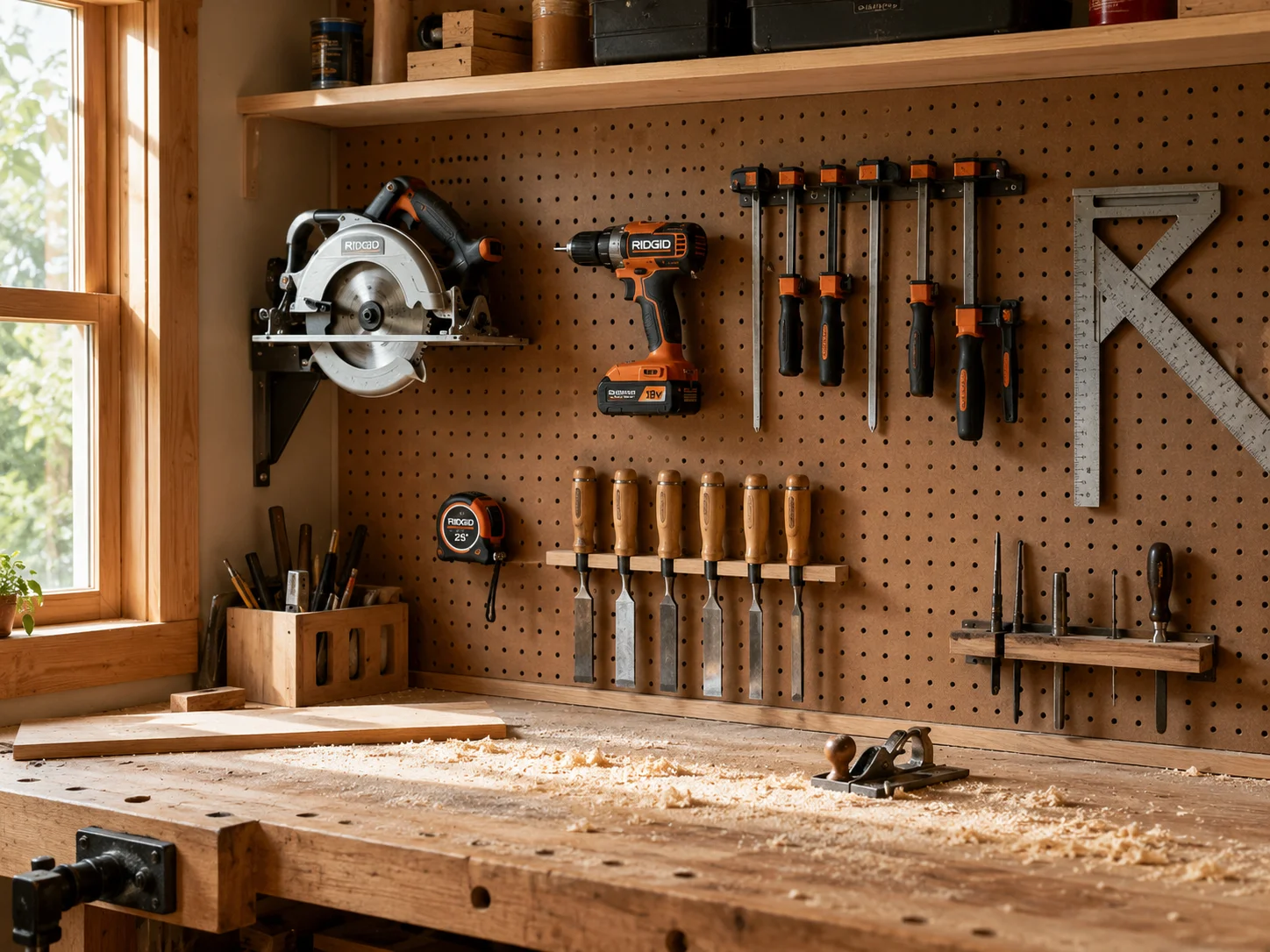
A good project begins before the first board is cut. The right woodworking tools help you measure accurately, work more safely, and avoid turning a simple build into a repair puzzle.
You do not need an expensive workshop. Most DIY furniture and storage projects can be completed with a focused set of measuring, cutting, drilling, sanding, and safety tools. Expand your collection as your projects become more demanding.
The best tool is not always the largest or most expensive. It should match the work you plan to do, your available space, and your experience.
Consider how often you will use it and whether replacement blades, batteries, or accessories are easy to find. A dependable tool you understand is often more useful than advanced equipment you rarely use.
Use a tape measure to check room dimensions, mark lumber, and confirm the final size of a project.
Choose one with clear markings and a reliable blade lock. A metal ruler is also useful for smaller parts.
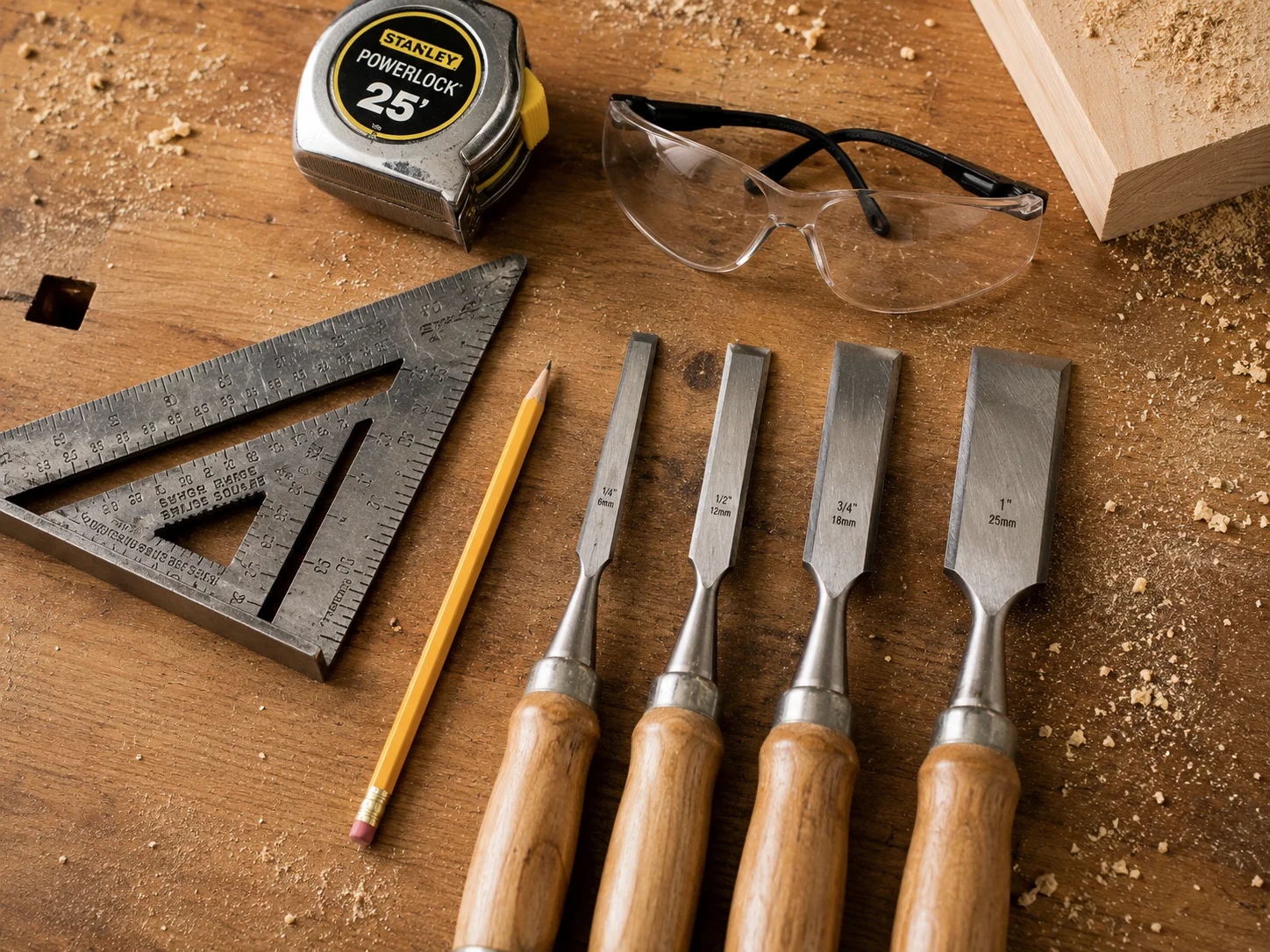
A carpenter’s square helps mark straight lines and check 90-degree corners. It is essential for shelves, cabinets, frames, and tables.
A combination square is especially versatile because it can measure short distances and transfer repeated dimensions.
A level ensures that shelves, cabinets, benches, and wall-mounted projects sit correctly. A compact model works for furniture, while a longer level is helpful during installation.
A circular saw can cut boards, plywood, and other sheet materials with the correct blade. It is one of the most flexible power tools for a small DIY workshop.
Use a straightedge guide for long cuts, support the material properly, and follow the manufacturer’s instructions.
A miter saw makes repeated crosscuts and angled cuts easier. It is useful for frames, benches, trim, and projects that require several boards of the same length.
It takes more space than a circular saw, so frequent builders may find it more valuable than occasional DIYers.
A cordless drill handles drilling, screw installation, hardware fitting, and assembly. It is often one of the most frequently used tools in a beginner’s collection.
Keep drill bits, screwdriver bits, and countersink bits nearby. Pre-drilling near board ends can help reduce splitting.
A random orbital sander prepares broad surfaces and creates a smoother base for paint, stain, or a clear finish.
Use progressively finer sanding discs. Keep a sanding block for corners and narrow spaces.
Clamps hold pieces in position during gluing, drilling, and assembly. They also help maintain alignment while you check that a frame or cabinet remains square.
Start with several bar clamps and quick-grip clamps in practical sizes.
Chisels are useful for cleaning joints, fitting hardware, trimming small amounts of wood, and correcting areas a saw cannot reach.
A small starter set is enough for many DIY projects. Keep the edges sharp and store them safely.
Cutting and sanding create dust that can interfere with finishing. A shop vacuum helps clean tools and project surfaces.
Connect it to compatible power tools when possible. A cleaner workspace also makes markings and small defects easier to see.
Wear suitable eye protection when cutting, drilling, or sanding, and use hearing protection around noisy power tools.
NIOSH warns that repeated exposure to loud noise can damage hearing. It recommends properly selected and consistently worn hearing protection when noise cannot be reduced enough. Power tools may produce hazardous sound levels, so check the manufacturer’s guidance and make sure your protection fits correctly.
Depending on the material and task, you may also need a dust mask or suitable respirator. Keep tool guards installed, inspect blades before use, and disconnect power before changing accessories.
Sets can be convenient, especially when cordless tools share one battery system. However, a large bundle is poor value when most of the tools will remain unused.
Buy according to your project list. A tape measure, square, drill, circular saw, sander, and several clamps can support many beginner builds. Add specialized tools only when a project requires them.
Once your essential tools are ready, the next step is choosing projects that put them to good use.
Our Woodworking Plans e-book gathers practical furniture and storage projects in one organized resource. It includes step-by-step plans, measurements, material guidance, and useful building tips for tables, cabinets, shelves, benches, and other home projects.
Instead of collecting tools without a clear purpose, you can choose a project, prepare your materials, and begin with a structured plan.
Explore our Woodworking Plans e-book and start your next project today.
[Discover the Woodworking Plans E-Book]
The best woodworking tools are those that support accurate, safe, and repeatable work. A reliable measuring kit, versatile saw, cordless drill, sander, clamps, chisels, and cleanup equipment can cover many common DIY projects.
Build your collection gradually and prioritize quality where precision or safety matters most. With the right tools and dependable woodworking plans, each build becomes an opportunity to improve your skills and create something useful.
A tape measure, carpenter’s square, and cordless drill are practical starting points. Add a circular saw when you are ready to cut your own materials.
No. Many beginner projects can be completed with a circular saw, straightedge guide, drill, and sander.
Neither option is always better. Cordless tools offer portability, while corded tools provide continuous power. The best choice depends on your workspace and project habits.
We’re here to help! Whether you need guidance on choosing the right plans or have questions about our recommendations, our team is ready to assist. Reach out anytime—your success is our priority.