Best Way to Sand Furniture Before Painting




Digitriserkamal
27 July 2026
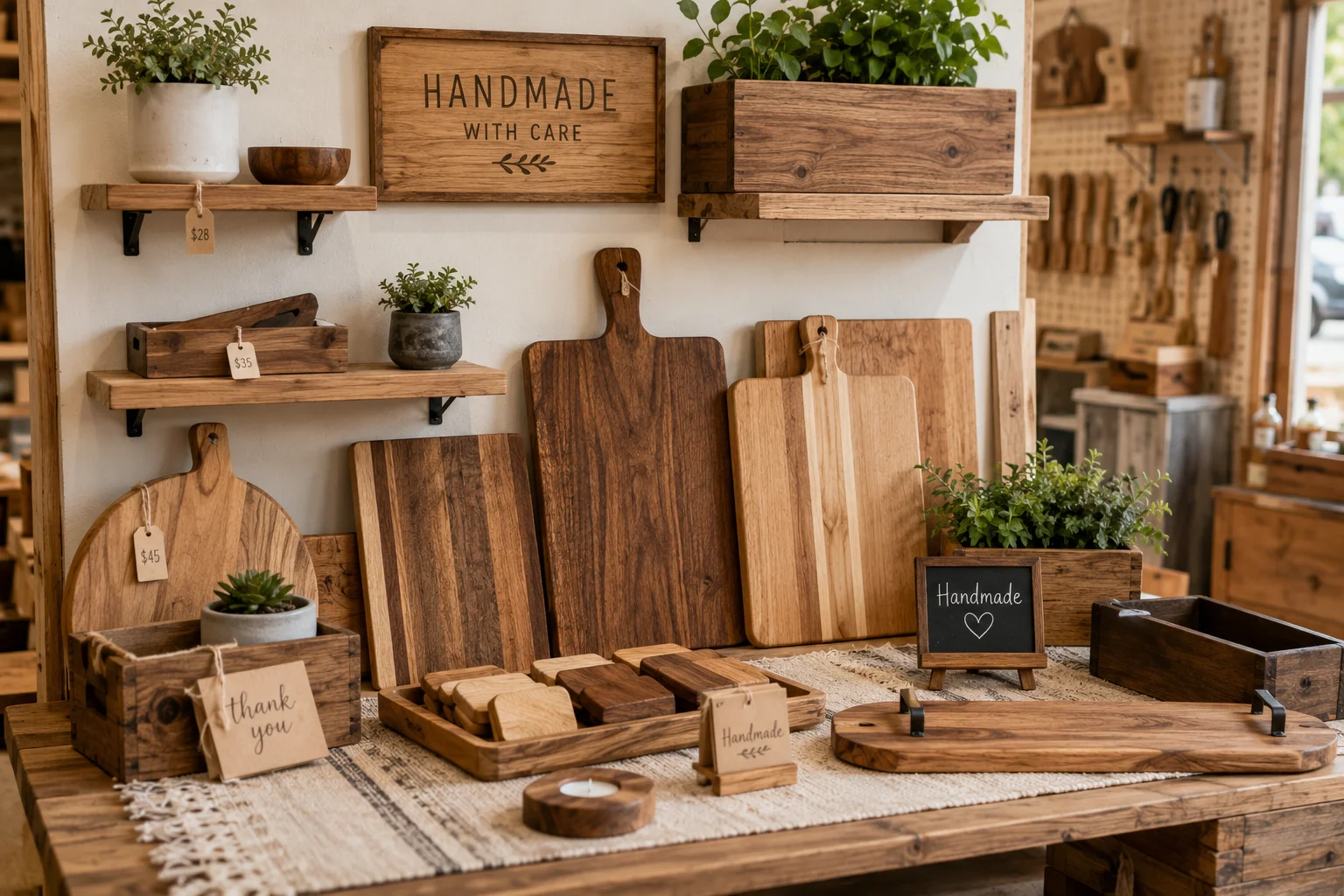
Turning woodworking skills into extra income does not require a large workshop or a catalog filled with complicated furniture. Many of the best woodworking projects to sell for profit are simple, practical, and easy for customers to understand.
The key is choosing products that can be built efficiently, customized without excessive work, and priced high enough to cover materials and labor. Whether you plan to sell locally, through craft markets, or online, the following project ideas offer a practical place to begin.
A profitable woodworking product should balance customer appeal with manageable production costs. A beautiful item may attract attention, but it will not support a business if it takes too long to build or requires expensive materials.
Look for projects that use repeatable cuts, standard hardware, and a limited number of components. Products that can be built in batches may also reduce setup time.
Size matters as well. Smaller pieces are easier to store, transport, photograph, and ship. Larger furniture can command a higher price, but it may require more space, delivery planning, and communication with the buyer.
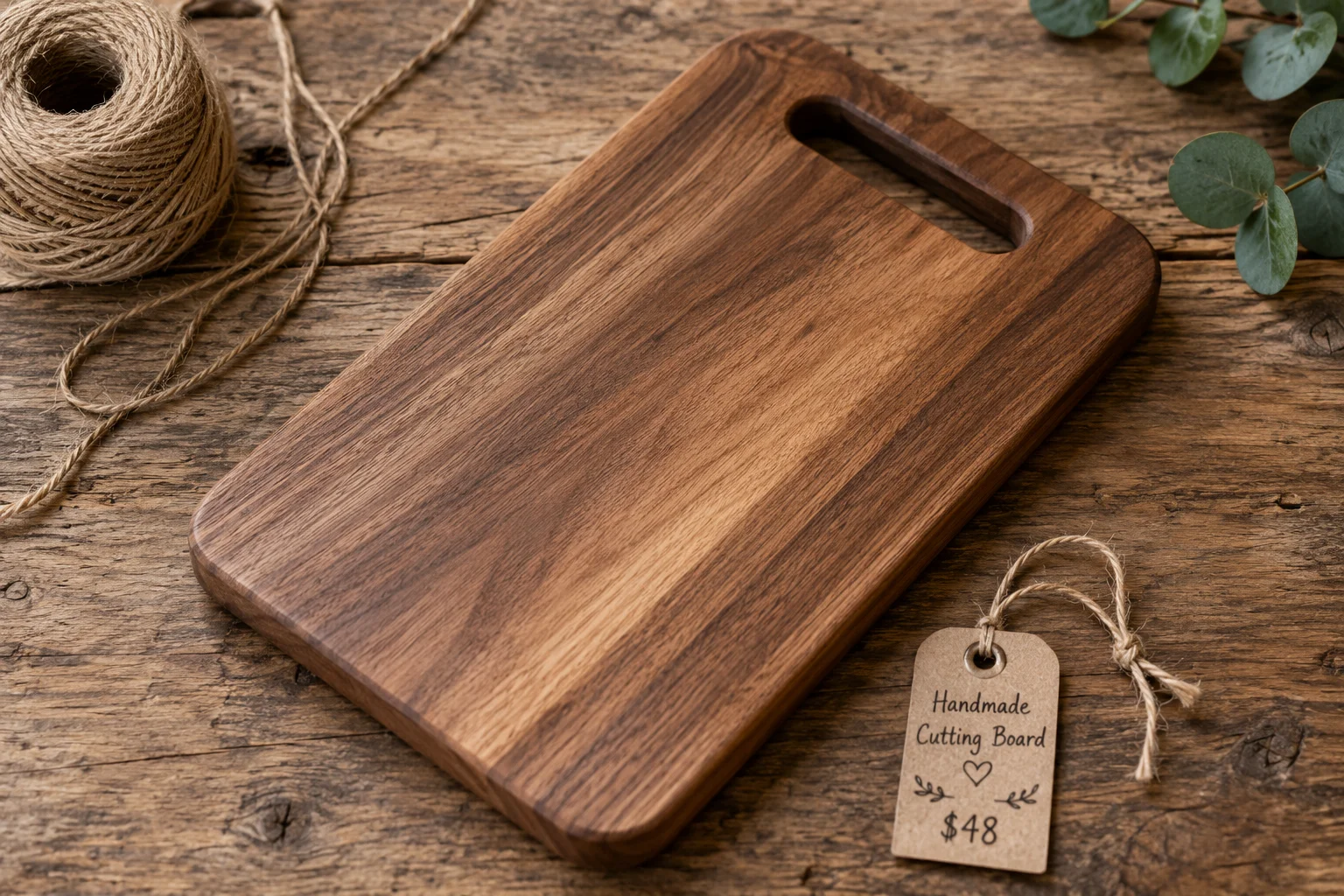
Cutting boards are practical, giftable, and available in many shapes and sizes. A simple rectangular board can be made more distinctive through rounded corners, handle openings, or contrasting wood patterns.
Keep food-contact projects smooth and easy to clean. Clearly communicate the materials and care instructions to the customer.
Floating shelves suit bedrooms, kitchens, offices, and living rooms. Their simple shape makes them suitable for batch production, while different lengths and finishes provide room for customization.
Offer a few standard sizes rather than creating every order from scratch. Include suitable installation guidance and be clear about what mounting hardware is provided.
Wooden planter boxes work well for patios, balconies, windows, and entryways. They can be offered as small tabletop pieces or larger outdoor containers.
Use a design that allows drainage and consider how the material will respond to outdoor conditions. Customers may also appreciate options such as painted finishes, house numbers, or personalized lettering.
An entryway bench combines seating with practical storage. A straightforward model may include a solid top and an open lower shelf for shoes or baskets.
Benches require more material than smaller products, but they can attract customers looking for functional home furniture. Offer a limited range of dimensions and finishes to keep production manageable.
Pet owners may be interested in raised feeding stands, toy boxes, small steps, or compact pet beds. These products can be adapted to different animal sizes without requiring entirely new designs.
Focus on stable construction, smooth edges, and easy-to-clean surfaces. Avoid making unsupported claims about health or comfort benefits.
As more people create workspaces at home, simple desk accessories can provide useful product opportunities. Laptop stands, monitor risers, phone holders, and cable organizers require relatively little material.
A clean design and consistent finish can make these products feel polished. They are also easier to transport than full-size desks.
Signs, name plaques, house numbers, and personalized gift items allow customers to order something specific without requiring a large furniture build.
Limit the available fonts, sizes, and finishes to avoid creating an overly complex ordering process. Always confirm spelling and design details before beginning a customized piece.
Start with projects you can build accurately and repeatedly. A simple product made well is more likely to support a small woodworking business than a complex item with inconsistent results.
Consider your target customer and selling location. Home décor items may fit craft markets, while custom shelves or benches may perform better through local listings and referrals.
Test a small collection before producing large quantities. Pay attention to which items receive questions, requests, or sales, then refine your selection around genuine customer interest.
Pricing should account for more than the lumber used in the final product. Include hardware, glue, finishing products, sandpaper, packaging, tool wear, selling fees, and transportation where relevant.
Your time also has value. Track how long each project takes from material preparation to final cleanup. This helps reveal whether a product is efficient enough to continue selling.
Do not copy another seller’s price without understanding differences in materials, size, workmanship, location, and service. Use competing products as general context, then calculate a price that reflects your own costs.
Create templates for repeated cuts, hole positions, and common shapes. Prepare multiple pieces during the same cutting or sanding session when it can be done safely.
Standardize your materials, dimensions, and finishes. Fewer variations make it easier to buy supplies, estimate costs, and maintain consistent results.
Photograph each finished product in natural light and show its scale clearly. Accurate descriptions and images can help customers understand what they are buying.
Finding one product idea is easy. Building a reliable collection of projects requires clear measurements, organized instructions, and designs suited to your current skills.
Our Woodworking Plans e-book brings practical furniture, storage, décor, and home projects together in one convenient resource. It includes step-by-step plans, material guidance, measurements, and useful building tips.
The plans can help you explore new product ideas, improve your project selection, and spend less time searching through scattered instructions.
Explore our Woodworking Plans e-book and start planning your next profitable build today.
The best woodworking projects to sell for profit are not necessarily the largest or most elaborate. Cutting boards, shelves, planters, benches, pet furniture, desk accessories, and personalized signs can all provide useful starting points.
Choose a small number of products, calculate every cost, and build each design several times before expanding your range. With reliable woodworking plans and a consistent process, you can gradually turn your workshop skills into a more organized source of income.
Small products such as cutting boards, signs, desk organizers, and simple shelves are often easier to produce, store, and transport than large furniture.
Begin with a focused collection of three to five products. This makes it easier to manage materials, improve production, and identify what customers prefer.
Yes, provided the products are safe, accurately described, and built to a consistent standard. Beginners should start with simple designs that match their tools and experience.
We’re here to help! Whether you need guidance on choosing the right plans or have questions about our recommendations, our team is ready to assist. Reach out anytime—your success is our priority.