Best Way to Sand Furniture Before Painting




Digitriserkamal
31 July 2026
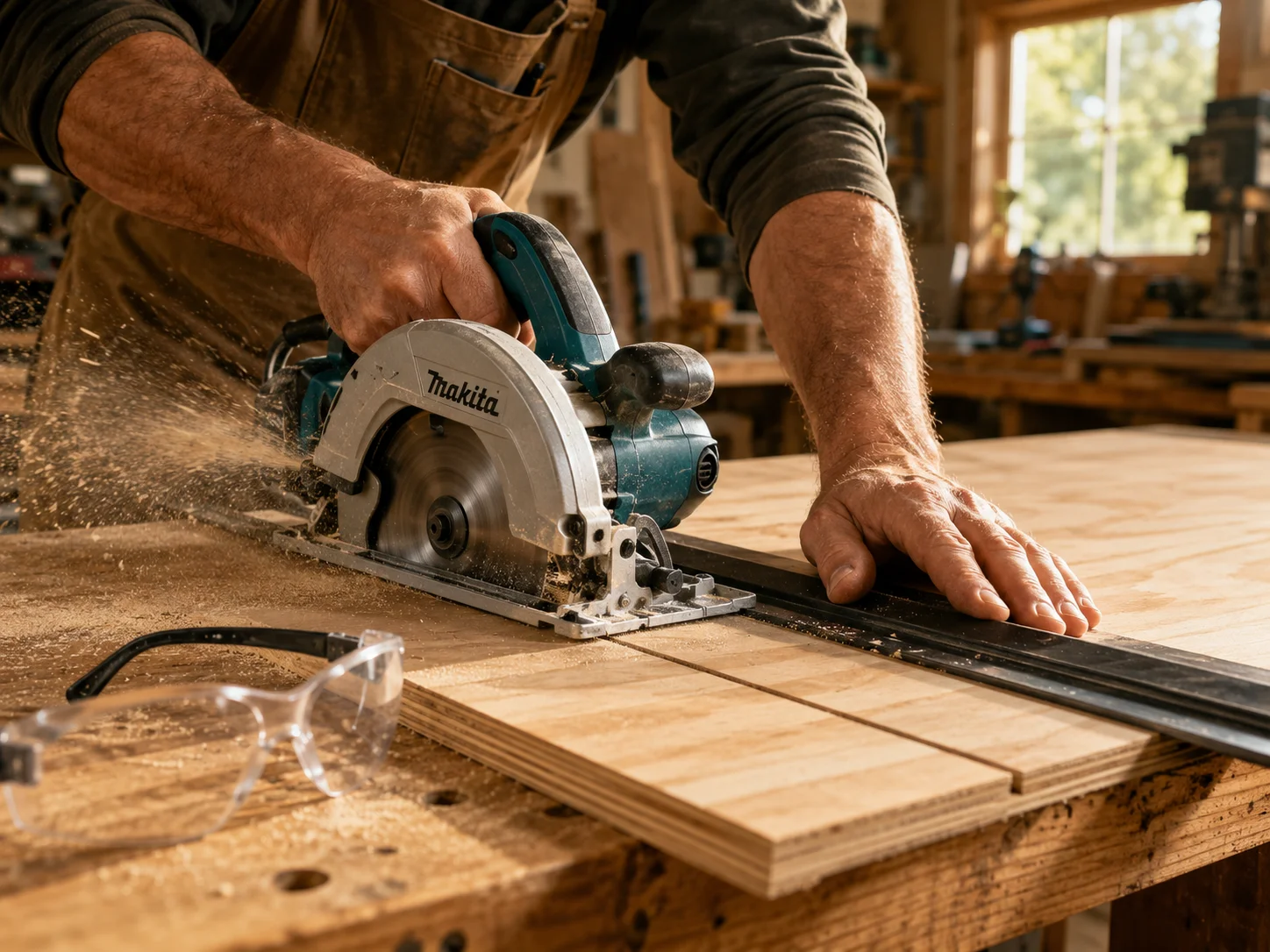
Choosing between a table saw and a circular saw can shape nearly every woodworking project. Both use a rotating blade and make straight cuts, but they differ in portability, setup, precision, and workflow.
In the table saw vs circular saw debate, there is no universal winner. A circular saw is often the more flexible first purchase, while a table saw becomes valuable when repeatable cuts matter. The right choice depends on your projects, workspace, budget, and experience.
A table saw is a stationary machine with a blade that rises through a flat work surface. You guide the material across the table, usually against a fence or miter gauge. OSHA describes table saws as tools for straight cuts across or along the wood grain.
A circular saw is handheld. The material stays supported while you guide the saw through it. OSHA also identifies handheld circular saws as tools for crosscuts and rip cuts when fitted with the correct blade.
With a table saw, the wood moves. With a circular saw, the tool moves.
A circular saw is practical for beginners, small workshops, and projects completed in different locations. It can be stored easily and taken directly to a large sheet of plywood.
It is useful for:
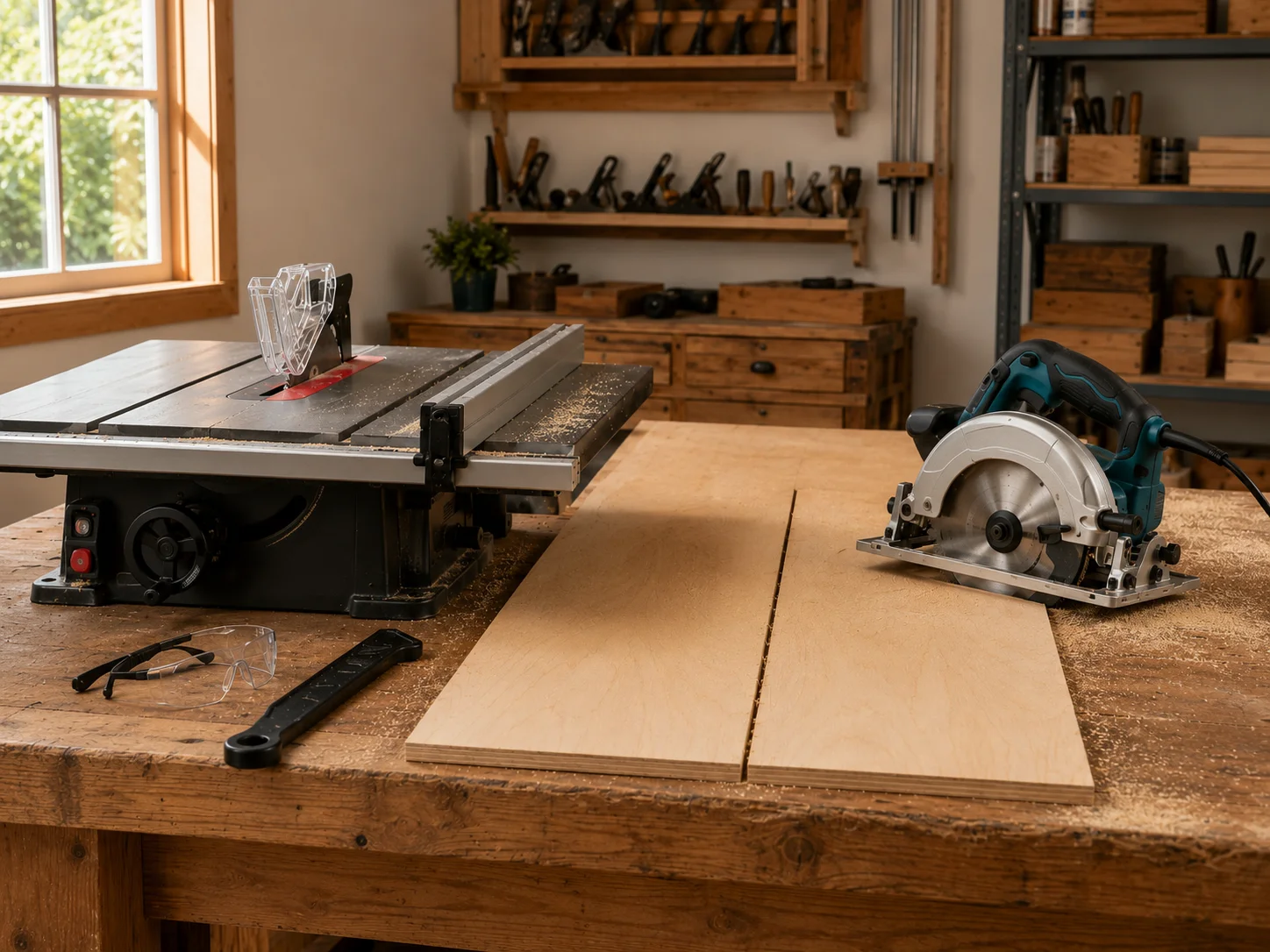
With a straightedge or compatible guide, it can make clean, controlled cuts. Repeating identical cuts may still require more marking than it would on a table saw.
A table saw suits frequent woodworking and projects requiring consistent dimensions. Once the fence is positioned, you can cut several pieces to the same width without measuring each one separately.
It is useful for:
The table supports the material, while the fence keeps it aligned. However, the machine needs enough room for the saw and the stock entering and leaving it. OSHA advises providing sufficient clearance and supporting all parts of the material properly.
For repeated rip cuts, a properly adjusted table saw offers a convenient setup because its fence provides a consistent reference.
A circular saw can also be accurate with a rigid guide. It may be easier to use on full sheets because you move the tool instead of maneuvering a heavy panel across a table.
Blade choice and condition matter with either saw. OSHA recommends using the correct blade for the cutting action and maintaining it properly to reduce binding, jamming, and kickback risks.
The circular saw wins on portability. It is compact, easy to transport, and suitable for temporary work areas or shared garages.
A table saw needs a stable location and clear working space. Portable jobsite models reduce the footprint, but they still require adequate room during use.
Measure your working area, not only the storage area. A saw that fits in a corner may be difficult to operate when you need to cut long boards.
Both tools require concentration, eye protection, and a properly supported workpiece. Keep the guards installed and follow the instructions supplied by the tool manufacturer.
Table saw hazards include blade contact and kickback, where the blade catches and throws material toward the operator. OSHA recommends keeping hands out of the cut line, using a push stick for small pieces, keeping safeguards functional, and standing to the side of the blade’s path.
Portable circular saws should have an upper guard and a retractable lower guard that returns over the blade after cutting. Support the material to avoid binding and allow the blade to stop before setting the tool down.
For many beginners, a circular saw is the more versatile first purchase. It takes up little space and handles many furniture, shelving, and home improvement projects.
Choose a table saw first when you have a dedicated workspace and expect to build cabinets, furniture, or repeated components regularly.
Many woodworkers eventually own both. The circular saw handles large or location-based cuts, while the table saw manages repeatable workshop production.
The right saw becomes more valuable when you have clear projects designed around it. Our Woodworking Plans e-book brings furniture, storage, décor, and practical home builds together in one organized resource.
Inside, you will find step-by-step plans, measurements, material guidance, and useful building tips. Use the e-book to choose projects that match your tools and develop your skills.
Explore our Woodworking Plans e-book and choose your next project today.
The table saw vs circular saw decision comes down to how and where you work. Buy a circular saw for portability, flexible use, and easier handling of large sheets. Choose a table saw for repeatable cuts, workshop efficiency, and frequent furniture or cabinet projects.
Evaluate your workspace, project list, and experience before buying. The best tool is the one you can use confidently, safely, and regularly.
A circular saw can complete many straight cuts when used with a guide. It is less convenient for producing numerous identical parts but more practical for large sheets and limited workspaces.
A table saw often makes repeated cuts easier because its fence provides a fixed reference. A circular saw can also be accurate with careful marking and a rigid guide.
Not at the beginning. Choose the tool that fits your current projects and workspace, then add the second when its different workflow would save time.
We’re here to help! Whether you need guidance on choosing the right plans or have questions about our recommendations, our team is ready to assist. Reach out anytime—your success is our priority.